
Digital Product Passport (DPP): what it is and why it matters
The structural problem with the market
The current DPP landscape is divided into two worlds that rarely communicate with one another.
On the one hand, there are software platforms: advanced tools for collecting, structuring and certifying supply chain data, material composition and environmental impact. Renoon is among the most advanced in this field: a Digital Product Passport platform recognised by the United Nations, with a robust methodology for mapping the supply chain and analysing the product lifecycle.
On the other hand, there are the manufacturers of physical materials – those who print hang-tags, labels and packaging. They are the ones who understand the materials, the manufacturing processes, the volumes and the technical printing specifications.
The critical issue is that these two worlds operate separately. A brand wishing to implement a DPP finds itself having to coordinate at least two suppliers with opposing expertise, different languages and no shared vision of the final product. The result is almost always the same: long lead times, multiplied costs, and technical integration that remains incomplete.
The legislation adds a further layer of complexity
The ESPR regulation requires that every product be identified by a unique, readable and verifiable code linked to reliable information about the supply chain. The QR code is the most accessible tool for doing this.
The problem is that a standard QR code can be copied in a matter of seconds. Anyone can replicate it and link false information to it. In a system where the brand assumes legal responsibility for what it declares – to end customers, to shareholders and to regulatory authorities – this is a risk that cannot be ignored.
Physical authentication is required. The medium carrying the QR code must itself be impossible to replicate.
CO&IN and Renoon: two areas of expertise, a single workflow
The partnership between CO&IN and Renoon was established to bridge this gap.
Renoon manages the digital layer: it collects and organises supply chain data, generates the Digital Product Passport in accordance with ESPR requirements, and ensures that the information remains up to date and verifiable over time. It is the software layer that provides the content and ensures compliance for the passport.
CO&IN manages the physical layer: it designs and produces the carrier, hang tags, labels, seals and packaging, incorporating certain authentication technologies during the printing process. These are not added afterwards, nor applied as an external layer: they are designed alongside the carrier, within the production flow.
The result is a system in which the QR code appearing on the label is not just any code. It is an authentication system that is impossible to replicate, verifiable in real time, and linked to a structured and compliant digital passport.
A single brief. A finished product. No suppliers to coordinate in between.
Because physical media isn’t just a minor detail
In the current debate on DPP, there is a tendency to treat the physical medium as a secondary element, almost a neutral container onto which technology is applied. This is not the case.
The label or hang tag is the first physical point of contact between the brand and the end customer. It is the moment when the product is touched, examined and judged. A medium that is aesthetically inadequate or technically shoddy is not just an aesthetic problem: it is a sign that the brand has treated the DPP as a bureaucratic obligation, not as an opportunity.
When the physical medium is designed correctly, with materials consistent with the brand’s identity, technology seamlessly integrated, and a smooth user experience, the digital passport ceases to be a regulatory requirement and becomes a tool for building customer relationships. A channel for authentication, storytelling, and data collection throughout the product’s lifecycle.
The system
The ecosystem developed by CO&IN integrates multiple layers of technology into a single production flow, selected and combined according to the sector, volume and level of protection required.
The partnership with Renoon ensures that the digital layer is equally robust: structured data, a mapped supply chain, and a passport that can be updated over time without altering the physical medium.
A note on compliance
The DPP will become mandatory in the textile sector from 2027. Cosmetics and other sectors may follow. Those who prepare today have the time to do so in a structured manner, with the opportunity to test and optimise before it becomes a requirement.
Those who wait will be dealing with an emergency. With the resulting costs and uncertainties.
Come and visit us at Packaging Première Milano, from 19 to 21 May 2026, stand E38-E40, where we’ll show you exactly how Smart Tags work.
No slides. No renderings. Real physical products, with integrated technology, for you to touch and test on the spot.
If you’re considering how to tackle DPP or have an ongoing issue with counterfeiting, this is the right place to have a no-obligation technical discussion.
Stands E38–E40 — Packaging Première, Fieramilanocity.

Click on the image and register to visit Packaging Premiere
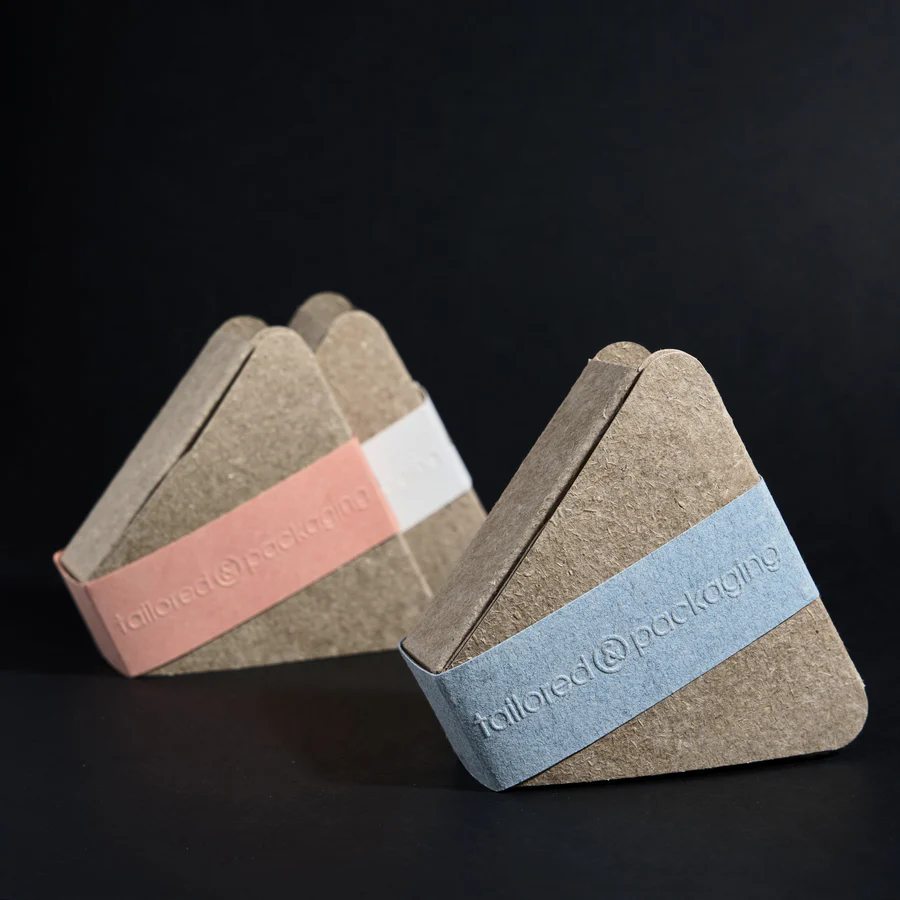
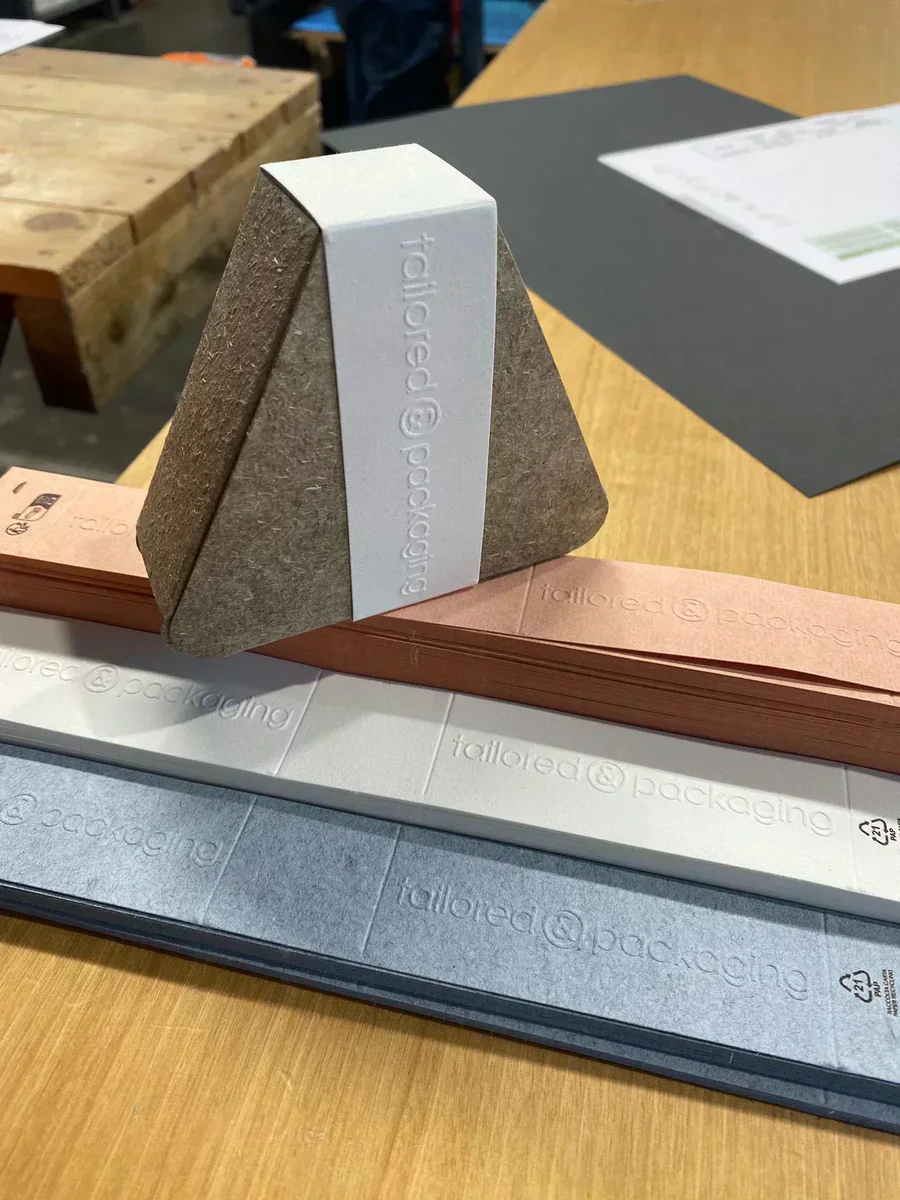
We inspire your desire to communicate
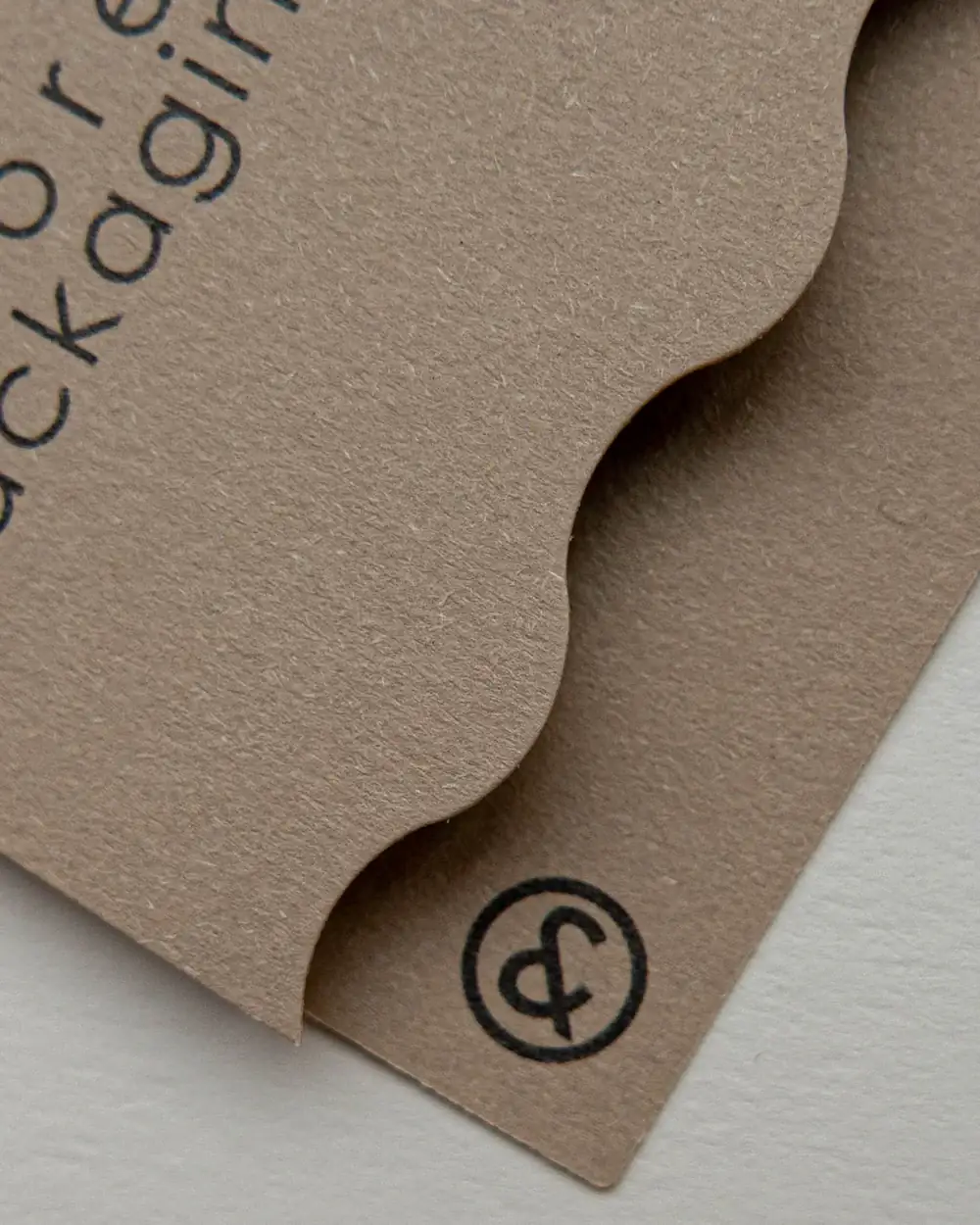
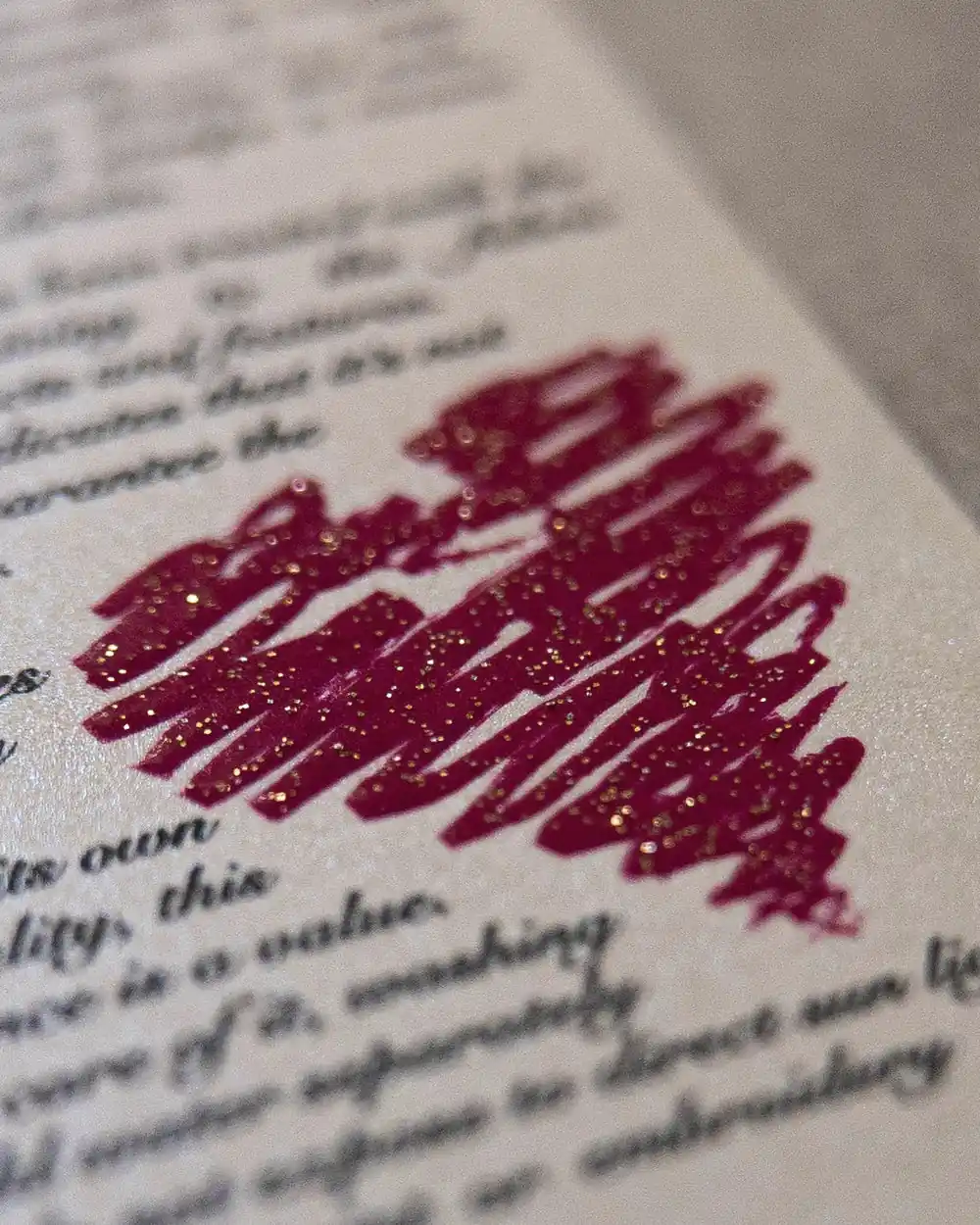
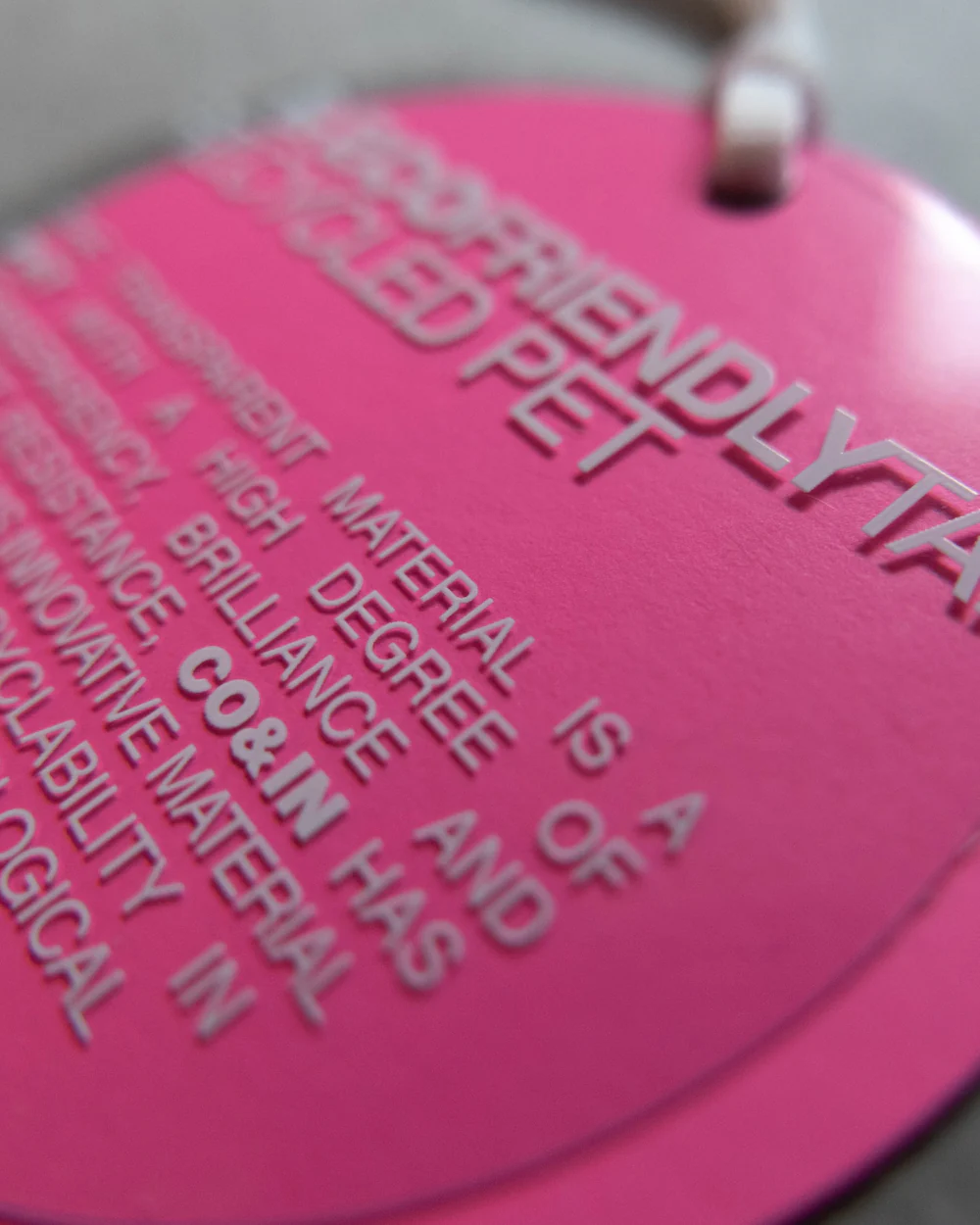
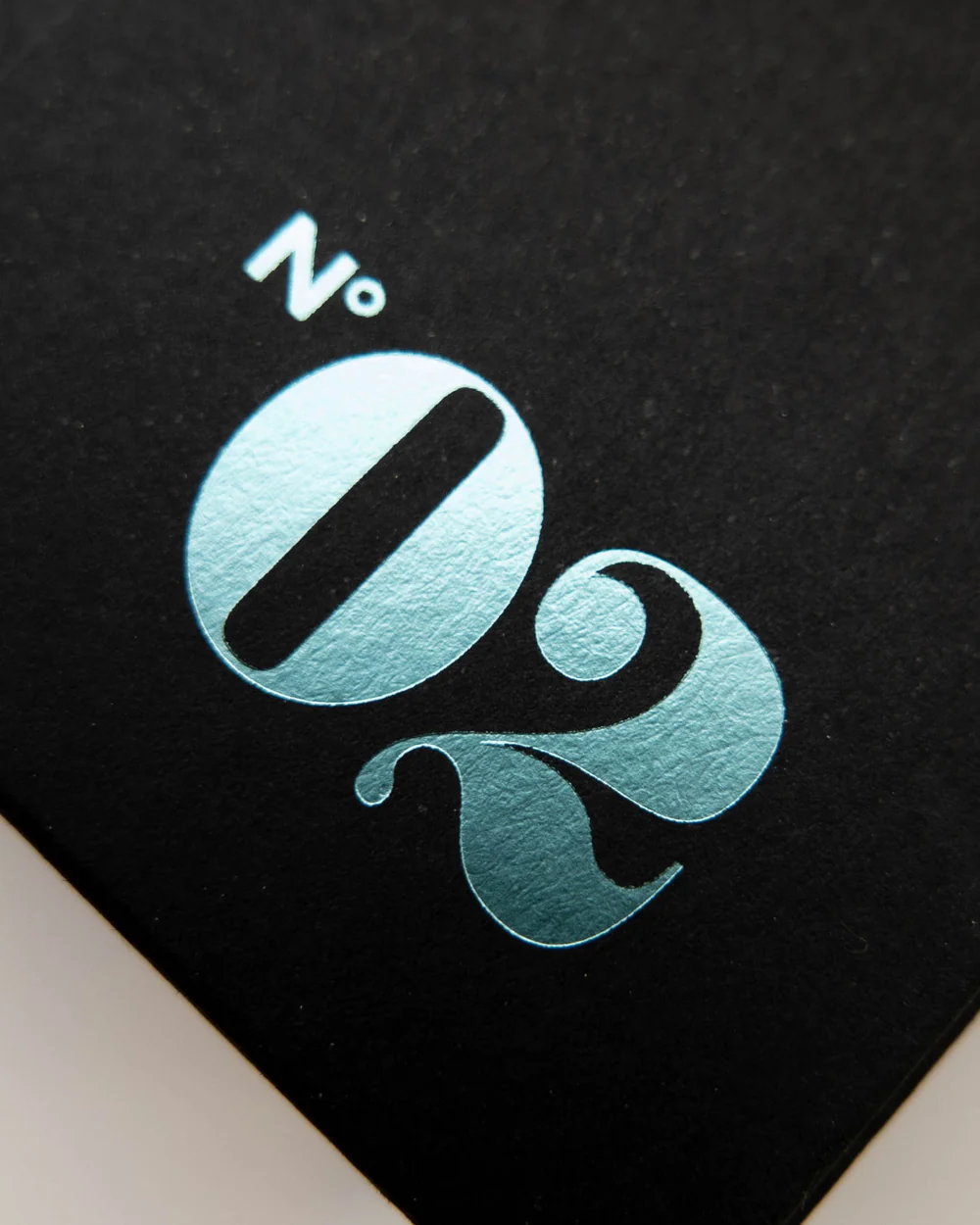
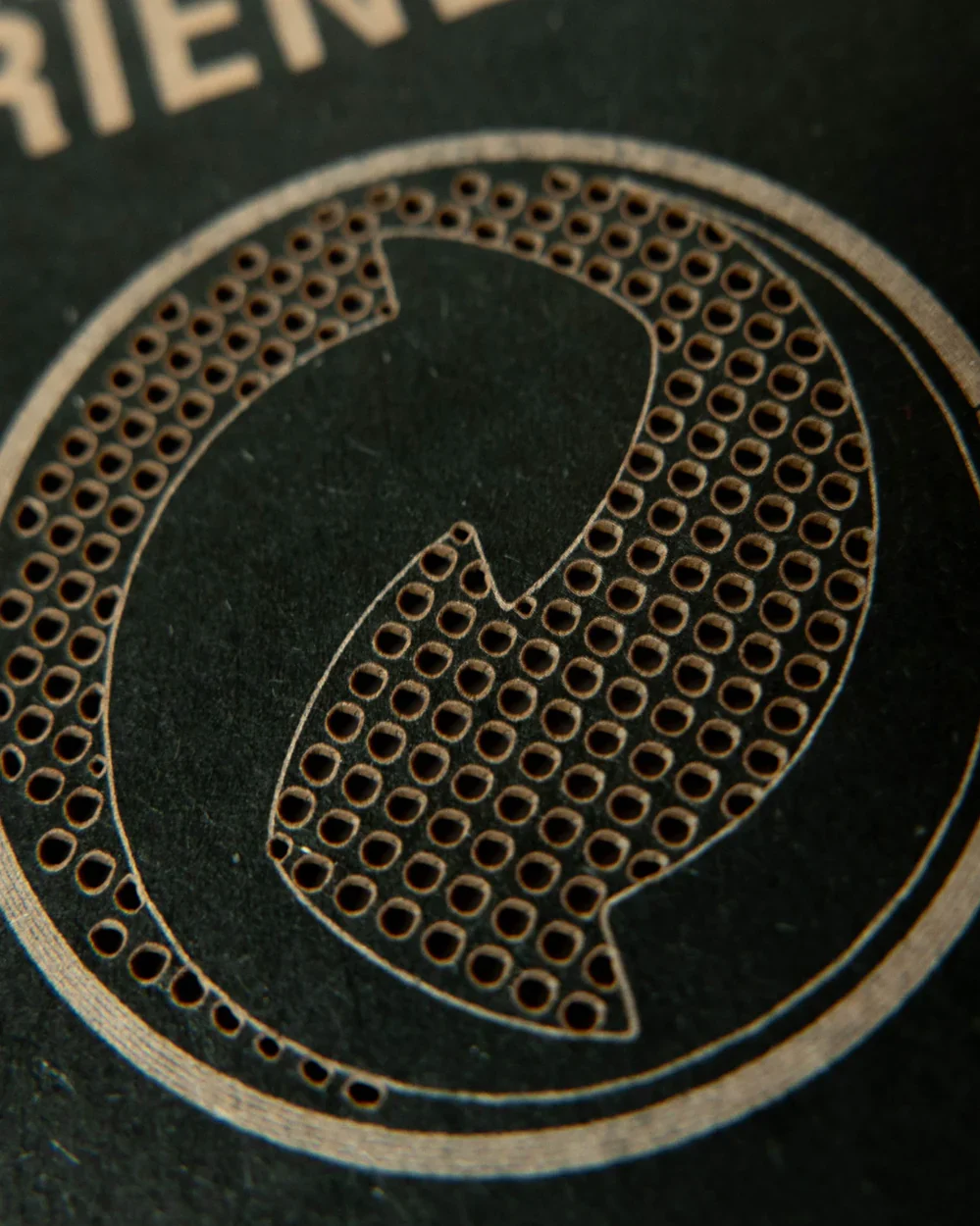
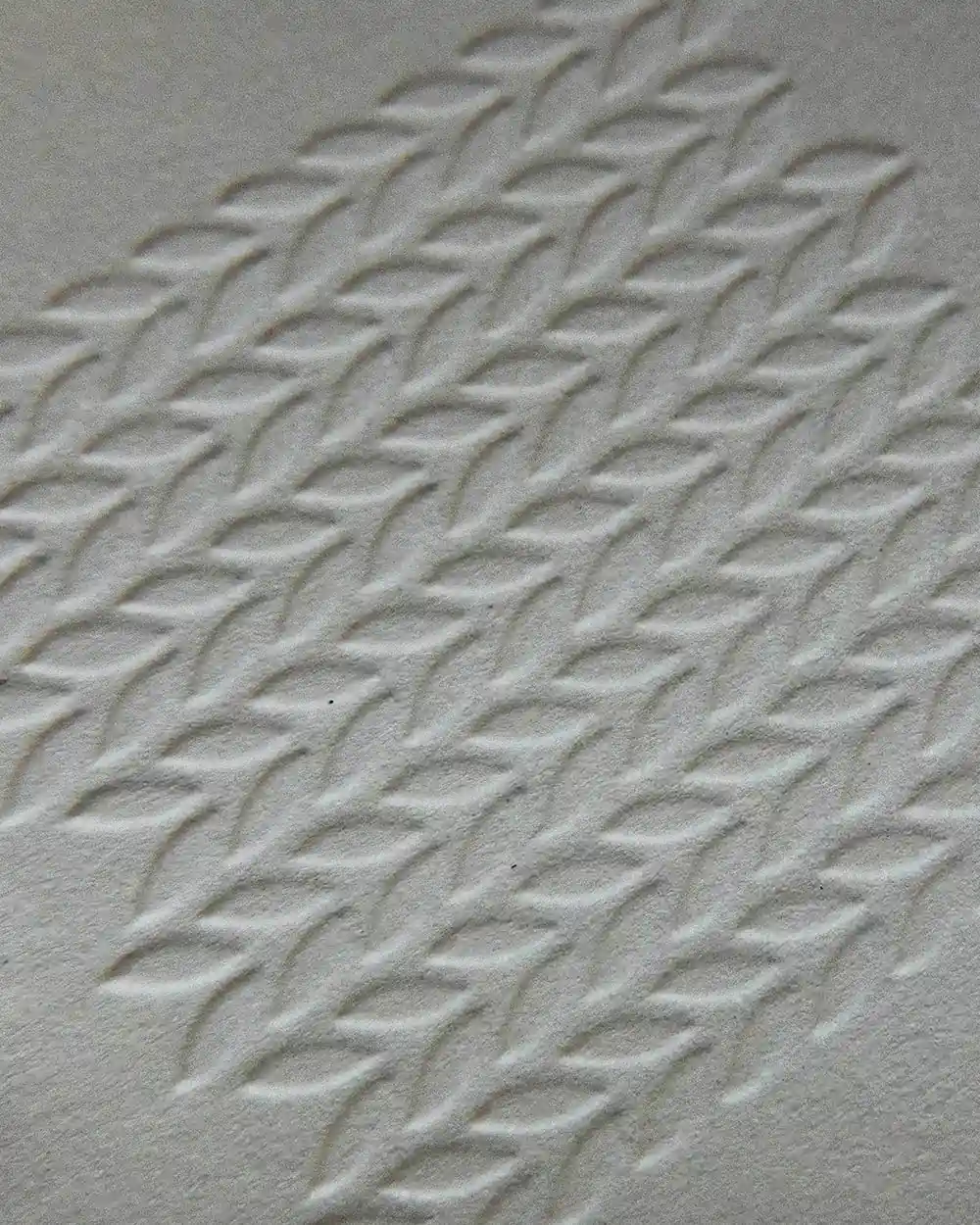
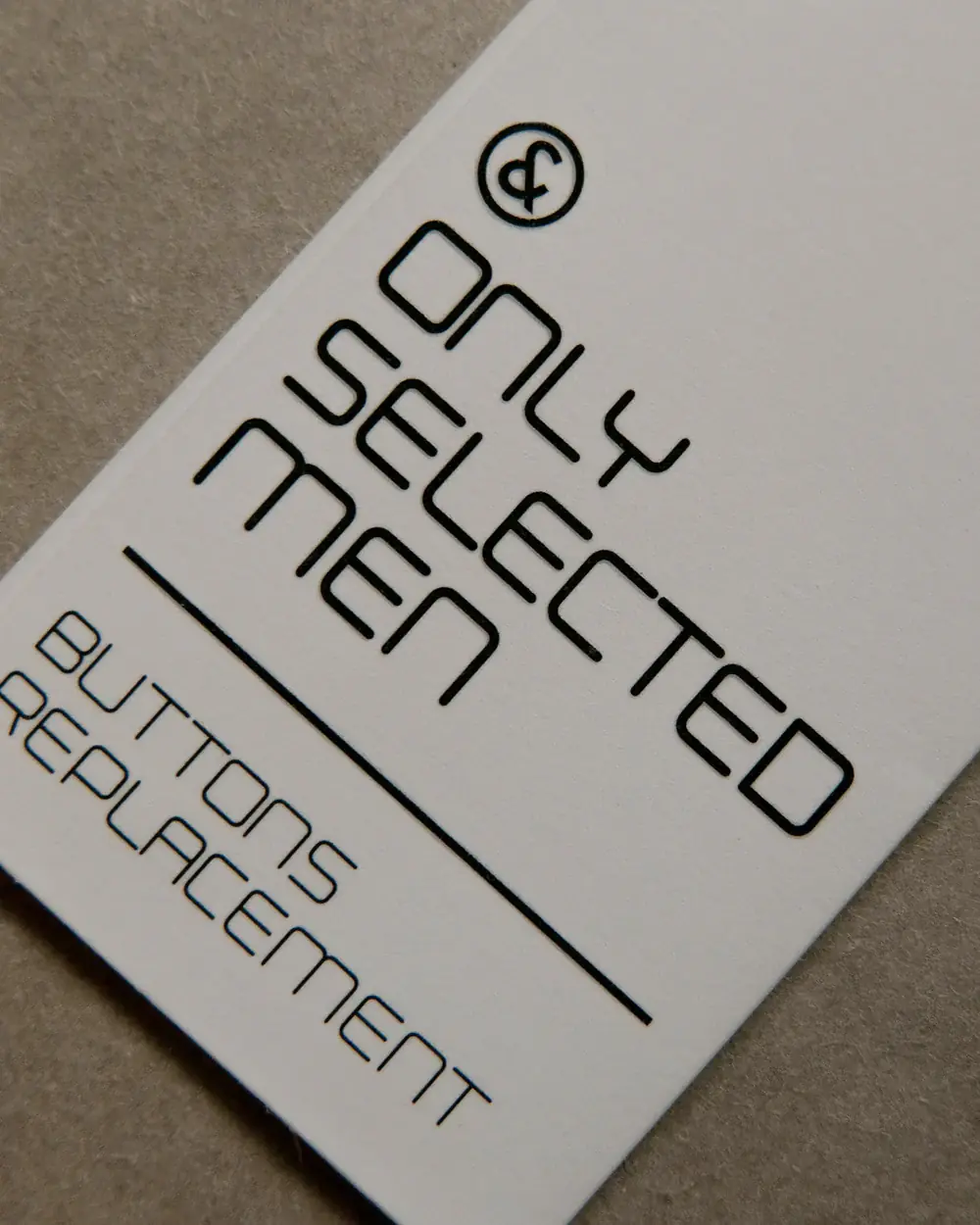
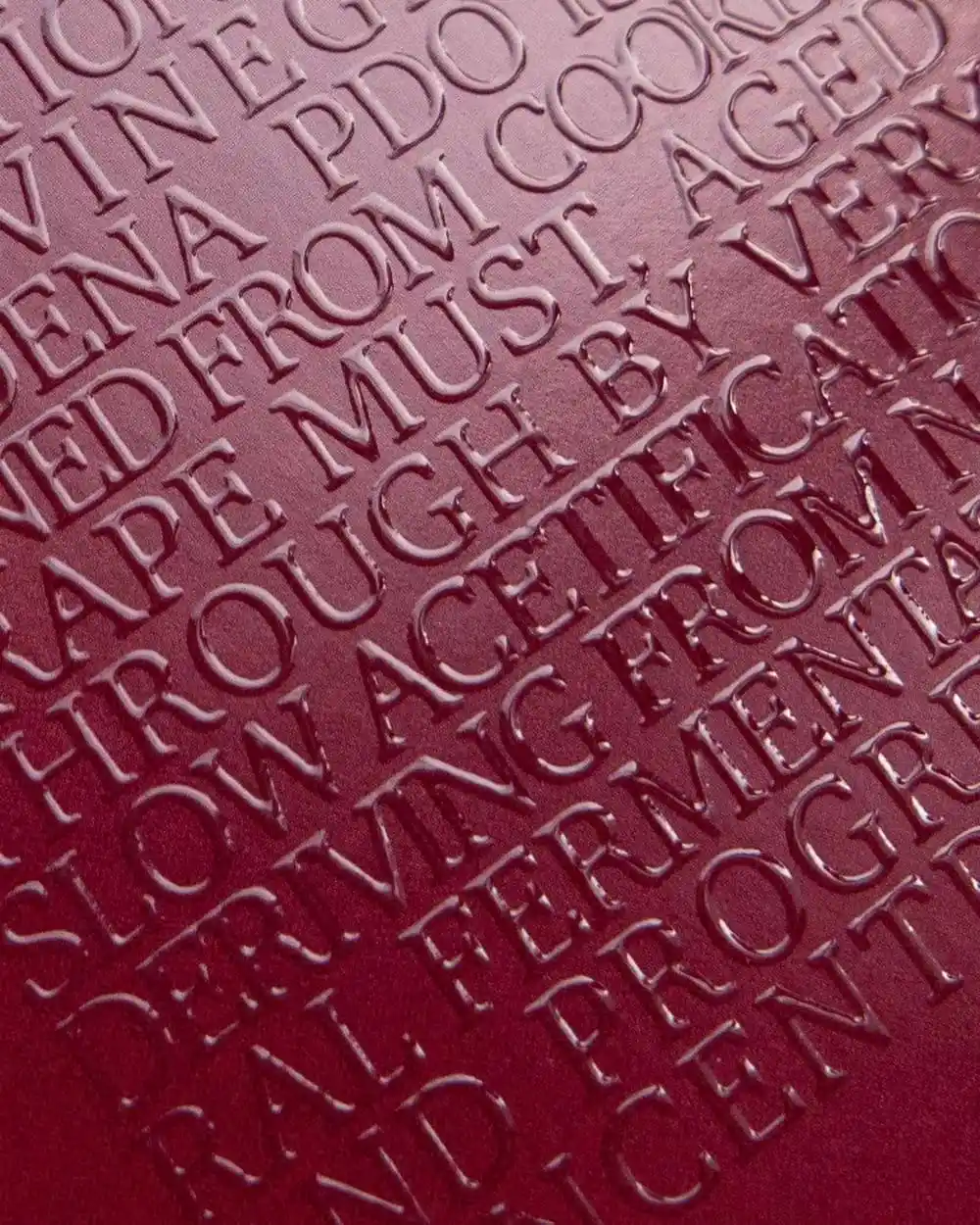
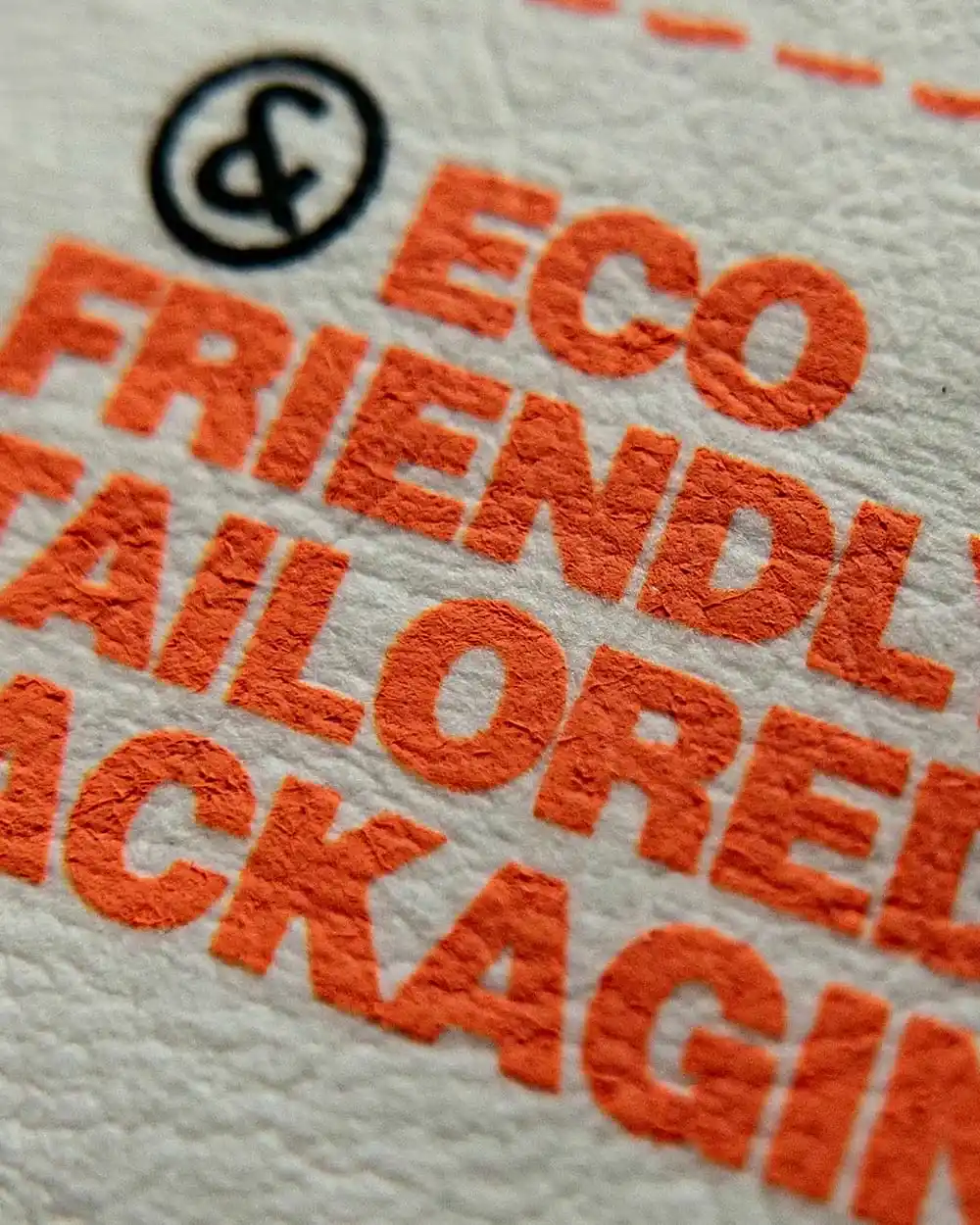
A detail is already a message. That’s why we’ve collected examples, finishes, and materials in a sample book designed to stimulate new ideas and make your products speak more powerfully. Every inspiration is a promise of identity: papers that rustle to the touch, surprising textures, solutions that combine aesthetics and function. An invitation to imagine, design, and find “that” material that seems tailor-made for your brand.
Download our Tag inspiration book 2026


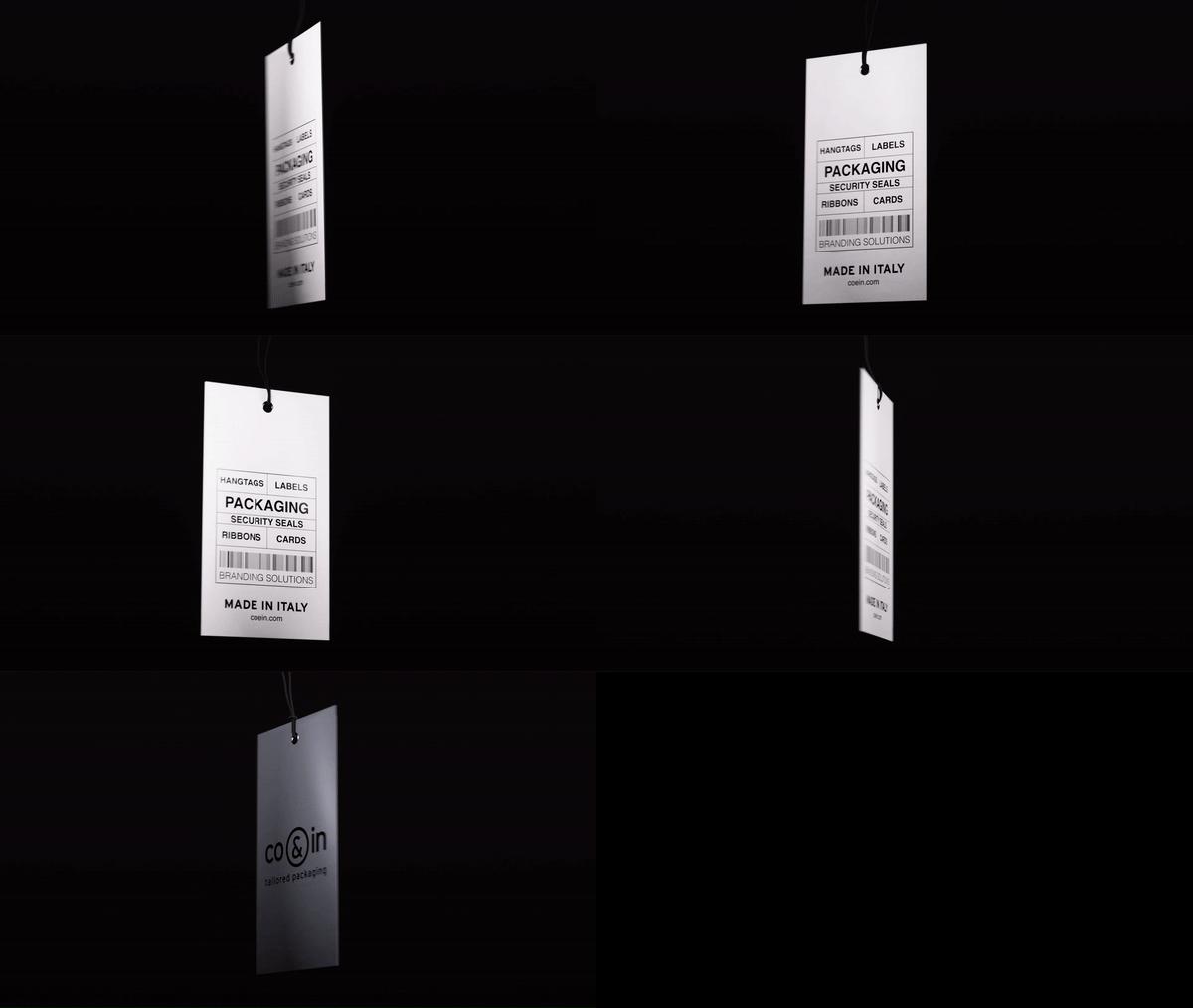




 Carte Naturali