Not just paper in sustainable labels. A journey through the new innovative materials that are changing the feel of Packaging (and why you should use them now)
Until a few years ago, the selection of raw materials for developing a hangtag or packaging was limited to an extremely narrow choice. Today, that paradigm is completely obsolete. The world of material science has made a true quantum leap, transforming physical supports into actual narrative surfaces.
But let’s start with the thorniest question: are new sustainable supports suitable for packaging?
Yes, modern ecological papers offer structural and aesthetic performance entirely comparable to virgin cellulose. Their true suitability depends on specific physical variables such as the grammage (ranging from 100 to 700 g/m²), the fiber type, and tensile strength. Choosing the correct paper types allows for reducing the carbon footprint by up to 30-40%. Proper technical design ensures eco-friendly, high-performance packaging with high perceived value.
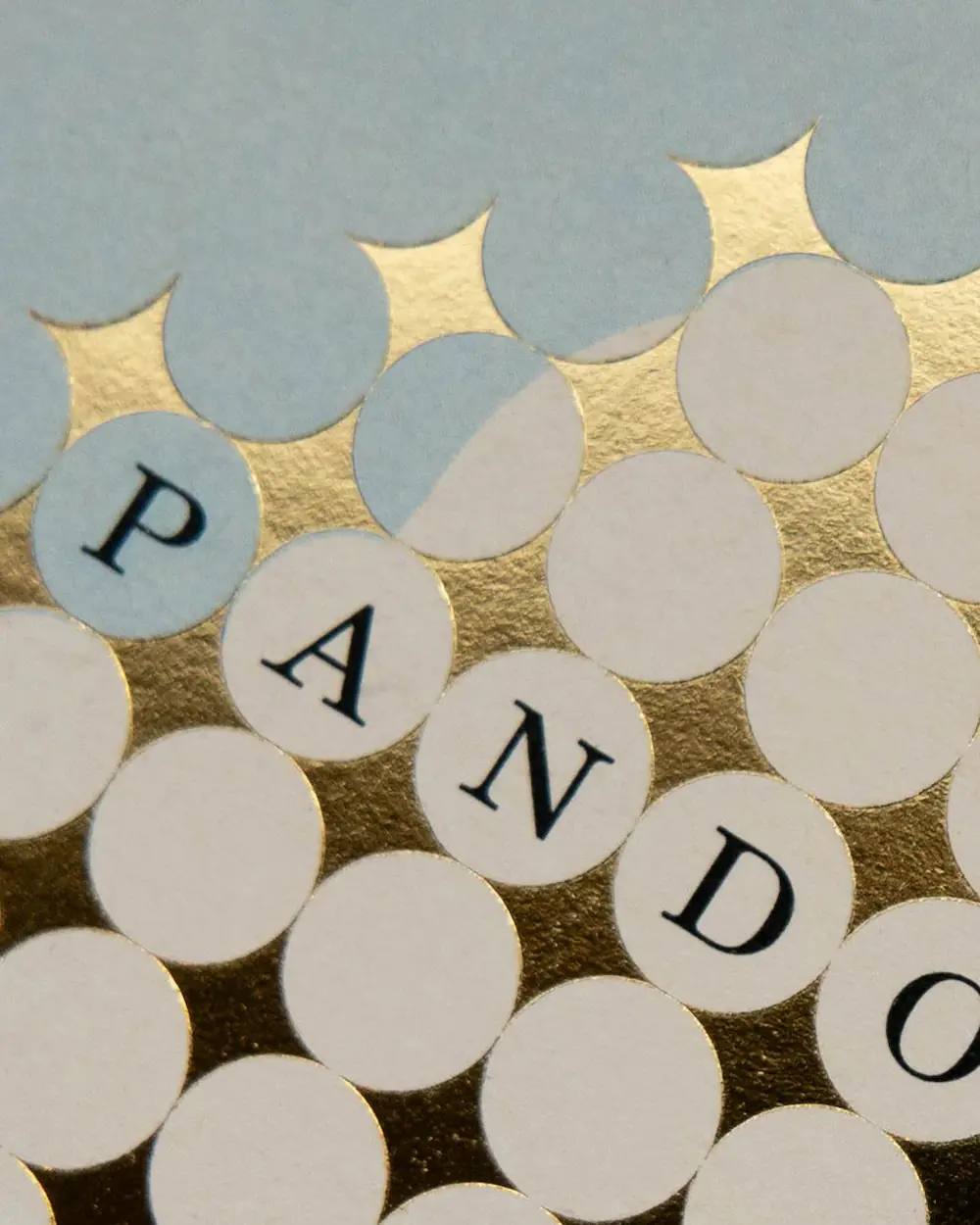
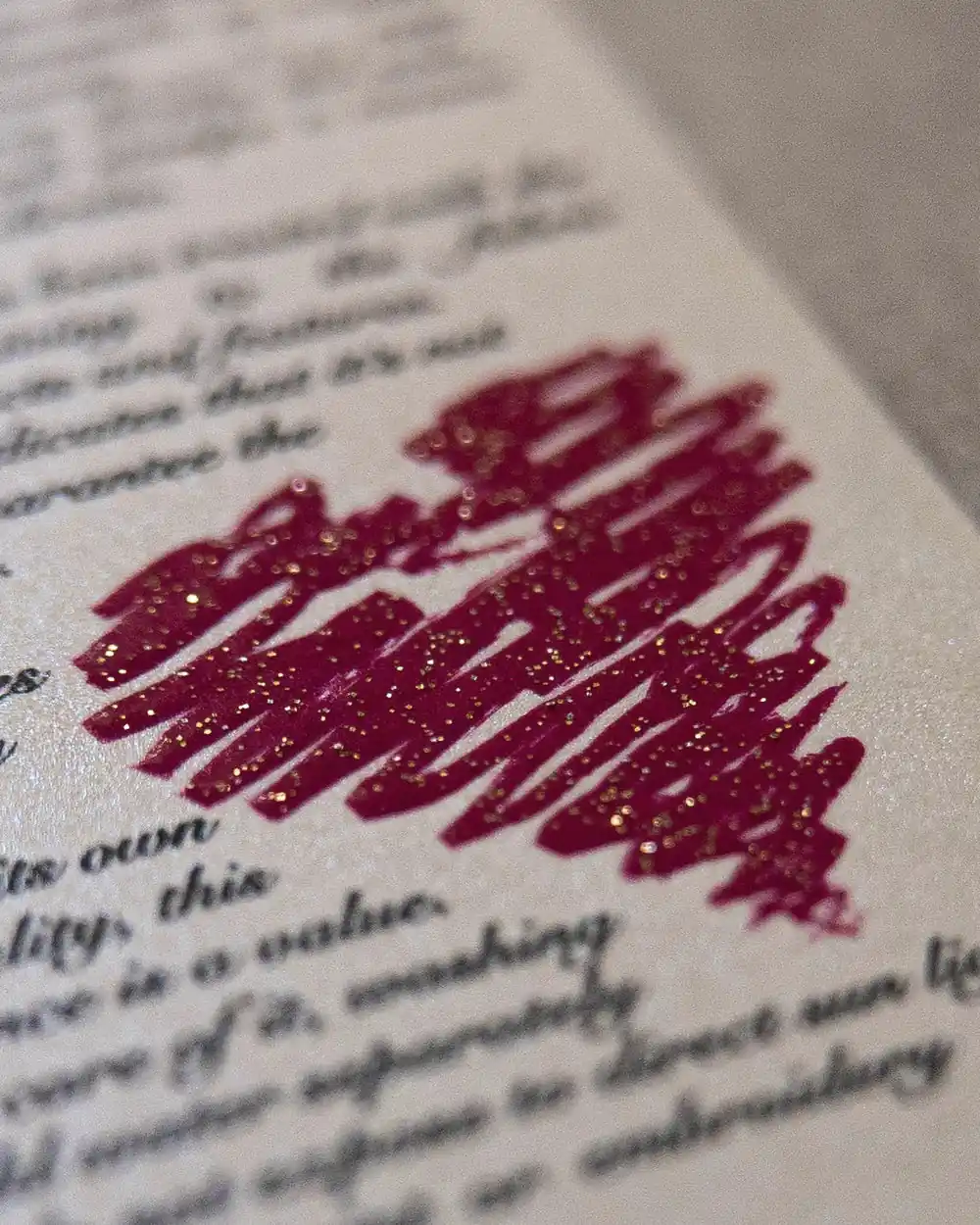
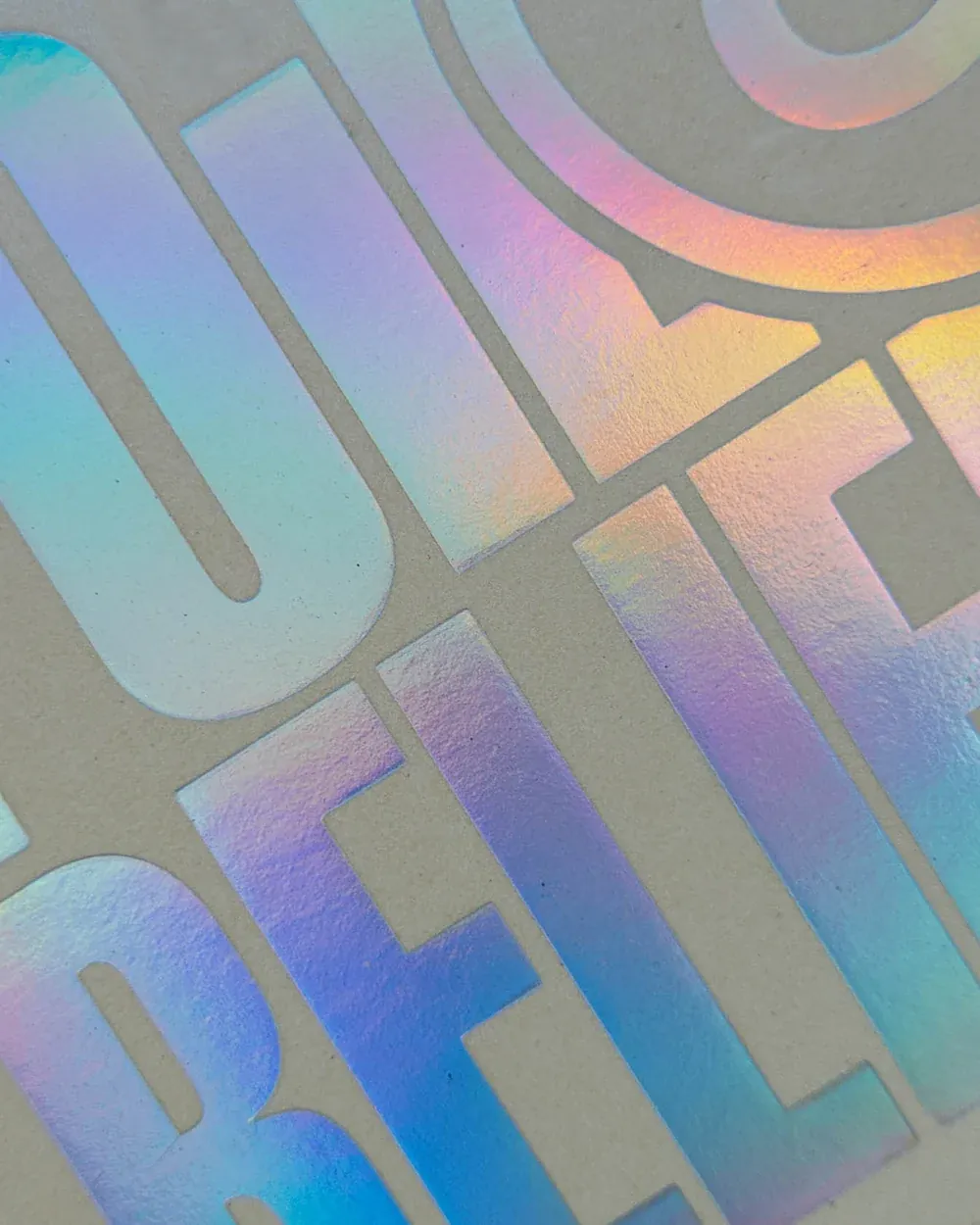
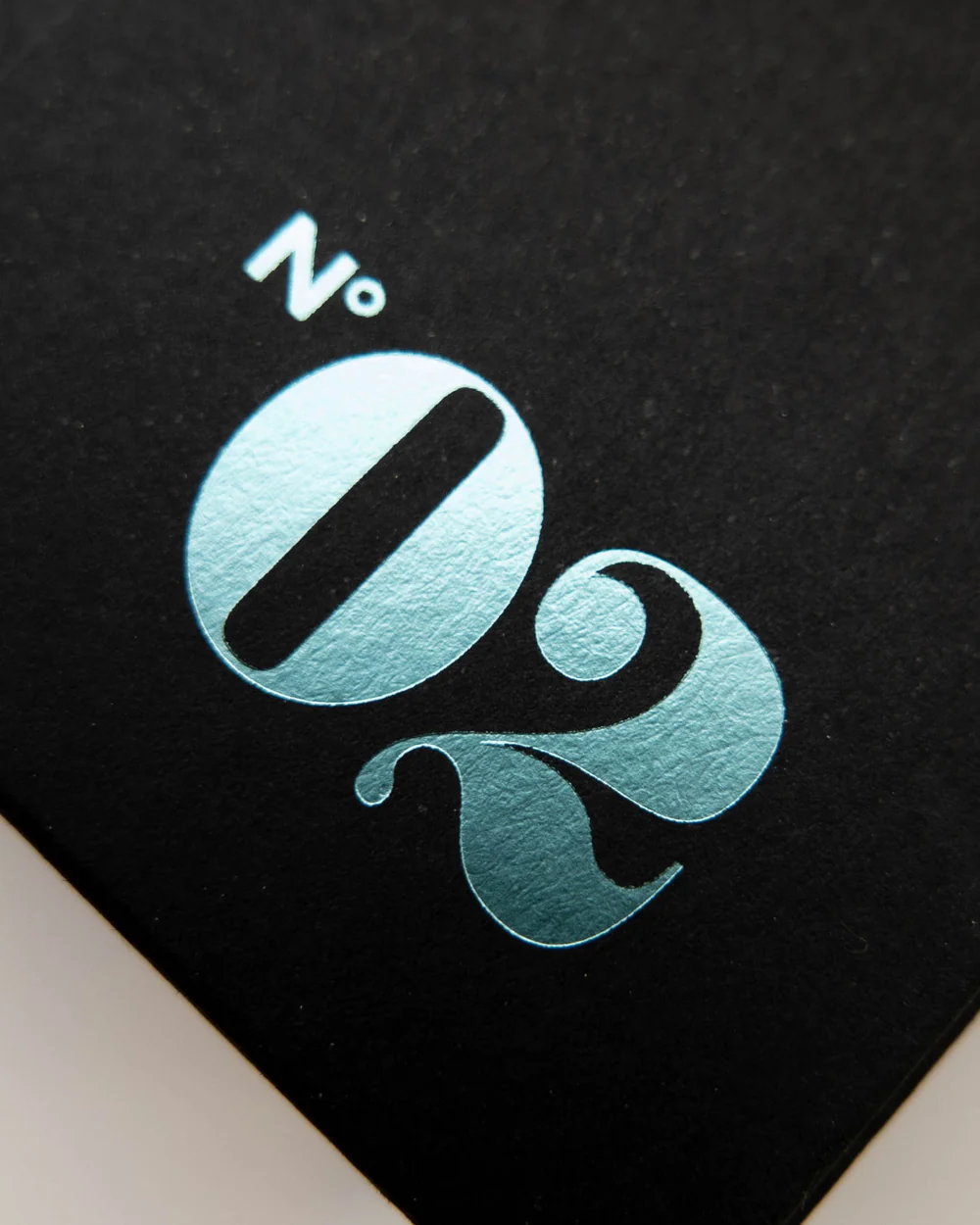
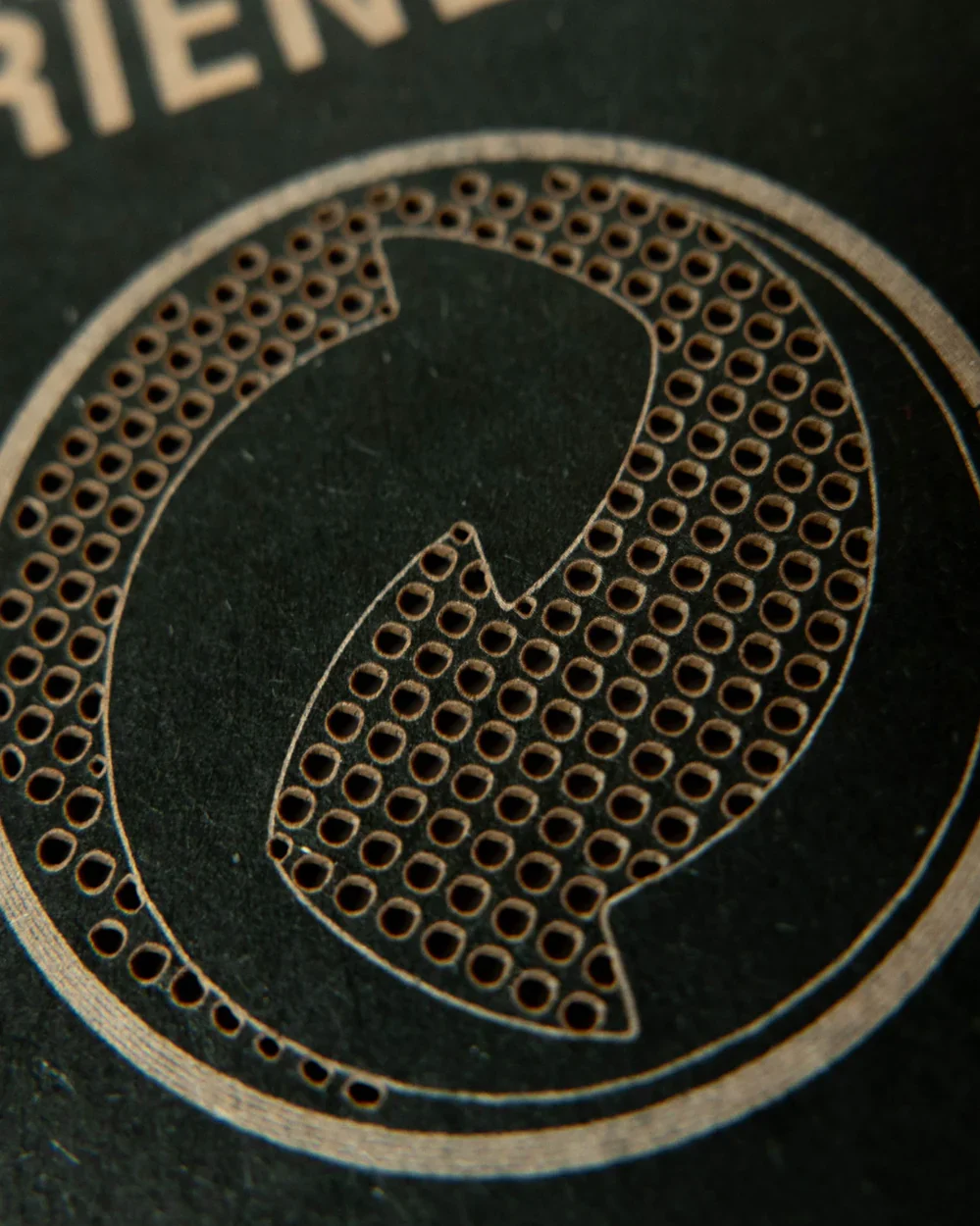
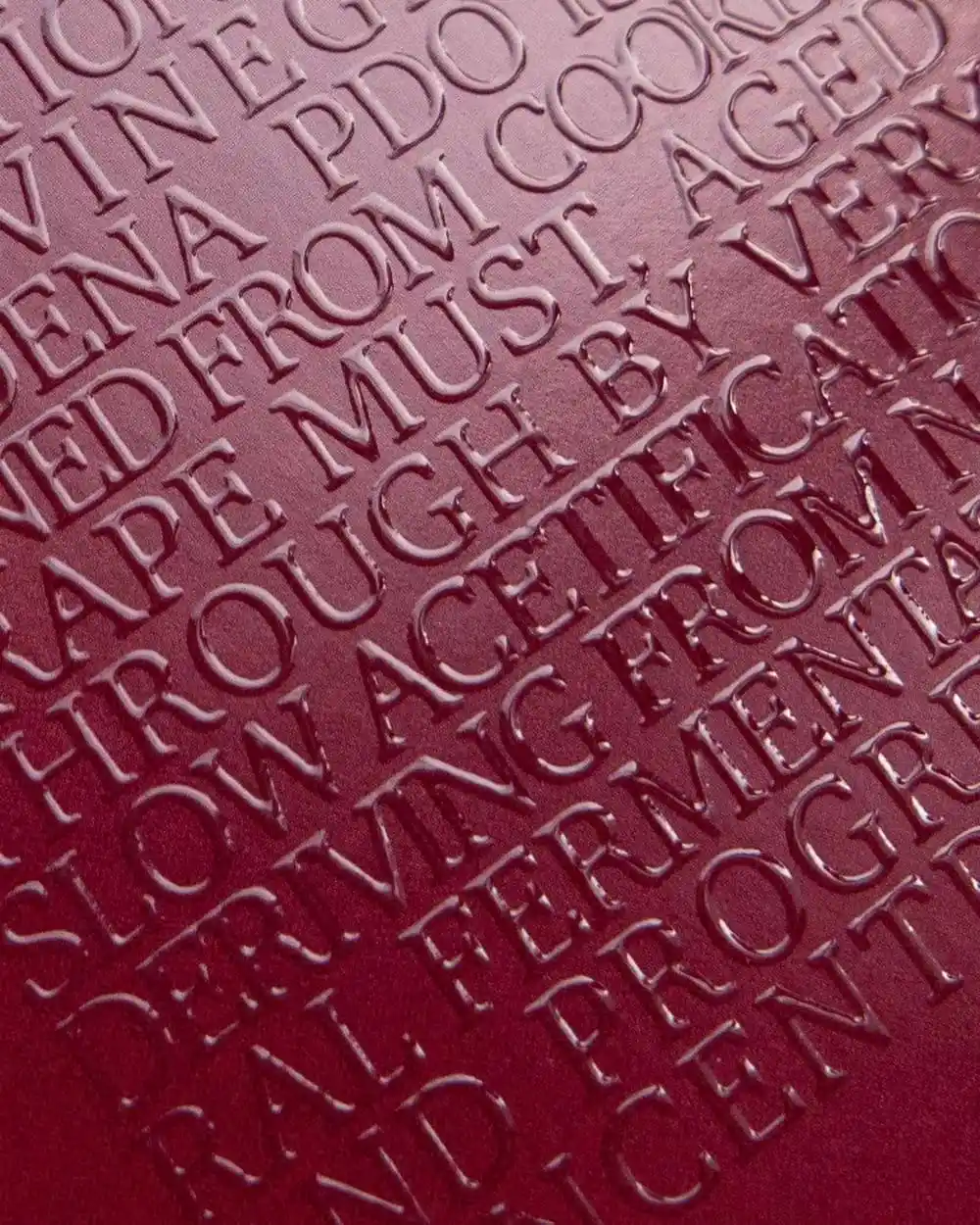
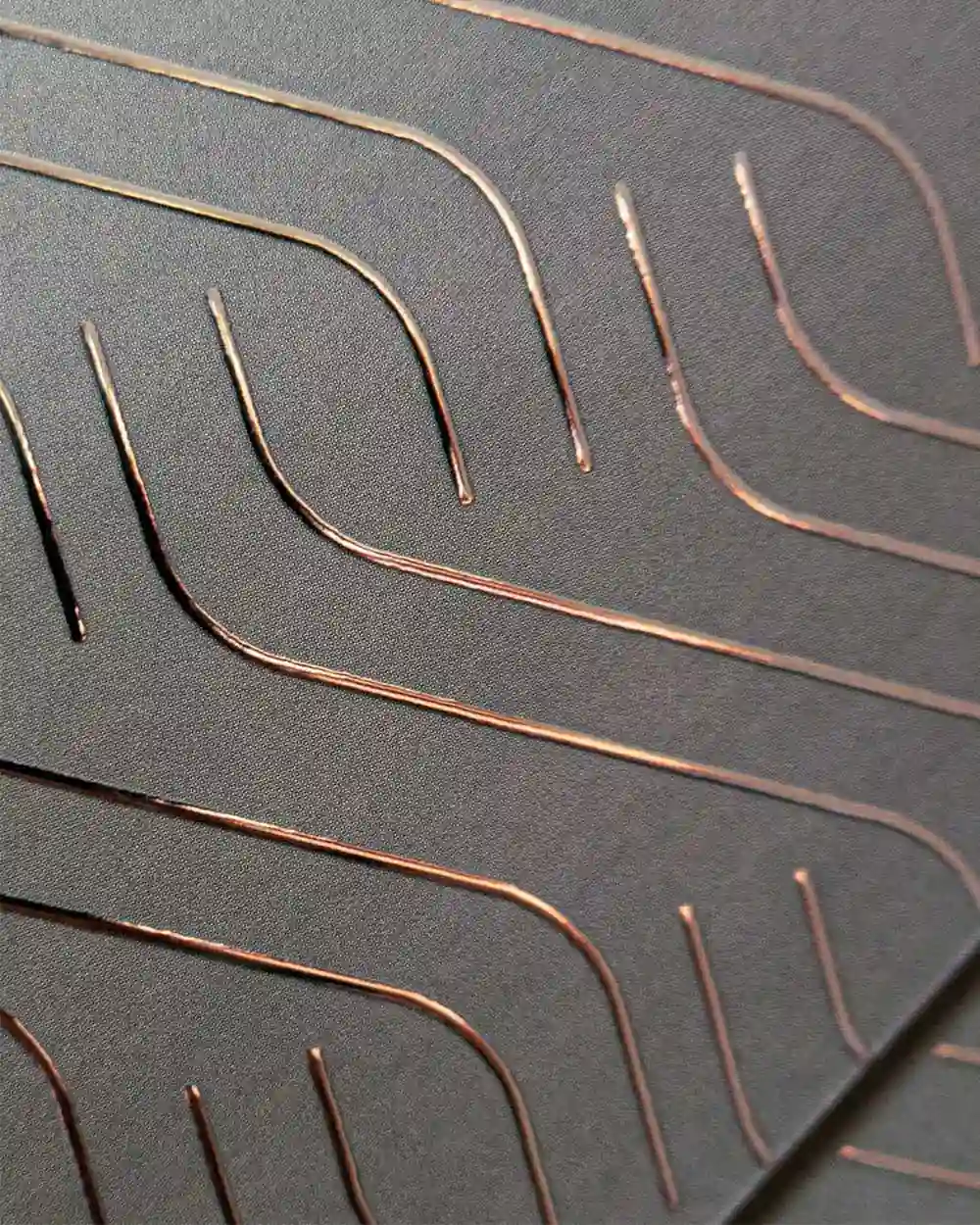
The most discerning brands and designers no longer just curate two-dimensional graphic elements; today, they design texture. The goal is to communicate the brand’s identity and values through touch, even before sight. The extraordinary opportunity lies in the fact that this advanced aesthetic research perfectly aligns with environmental responsibility.
We take you on a journey to discover how new research materials are defining new standards.
The insider’s curiosity: the myth of white paper
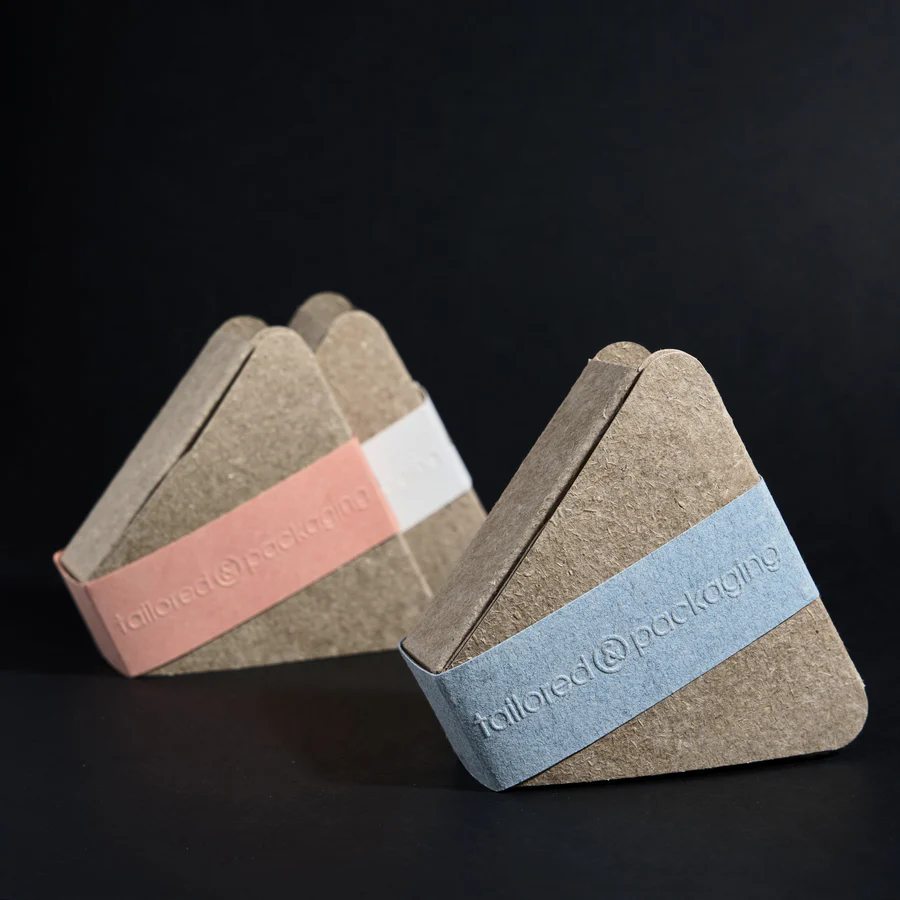
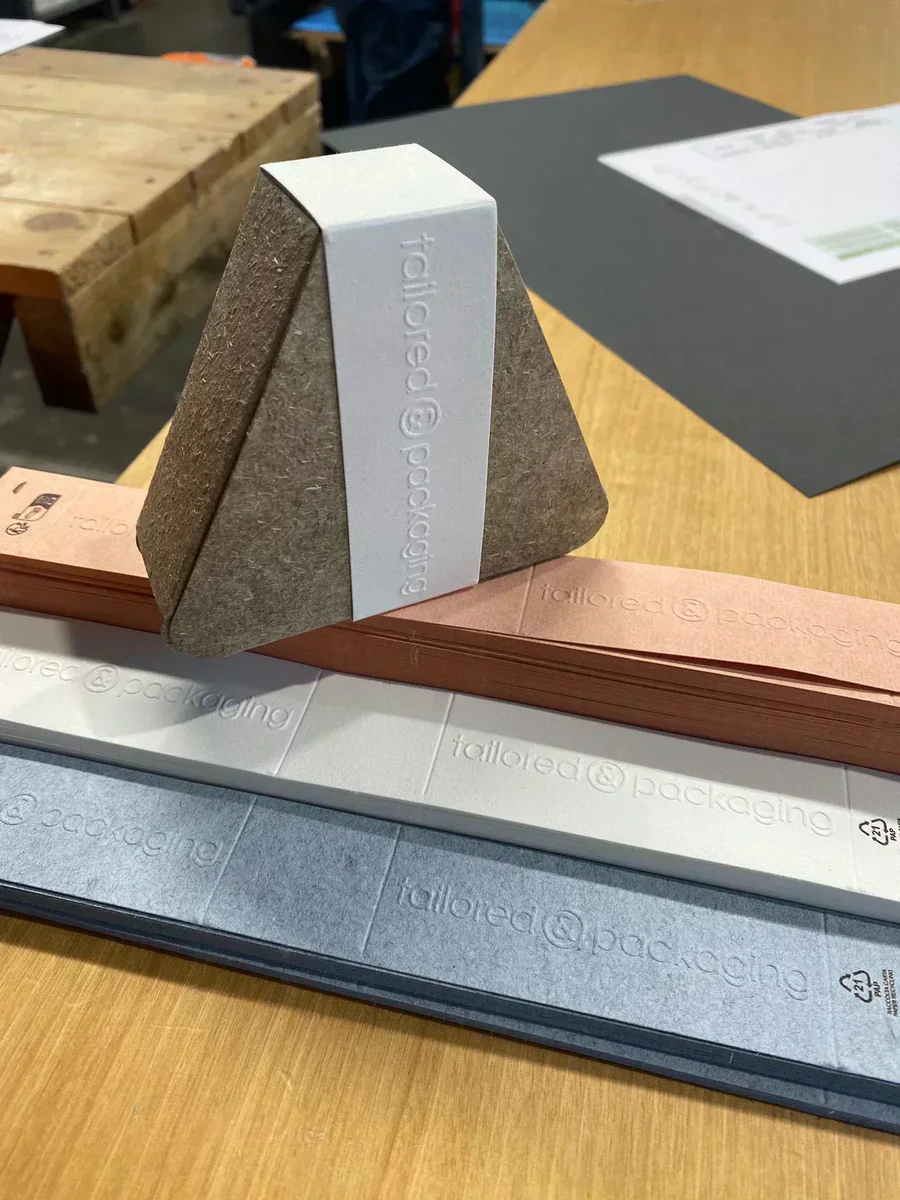
In nature, cellulose is never pure white: it has brownish or grayish shades. For decades, the industry used chlorine and titanium dioxide to artificially bleach it, associating optical white with the idea of purity. Today, the perception has inverted: showing the native impurity and the texture of the fiber has become synonymous with authenticity, craftsmanship, and contemporary luxury.
The paradox of recycled paper: waste that feels like silk
When we talk about recycling, attention often falls solely on recycled paper, but the circular economy revolution involves the entire textile detail sector. The old prejudice still persists that a recycled material must necessarily be rough, rigid, or aesthetically limited. In the luxury labels sector, this cliché is widely debunked.
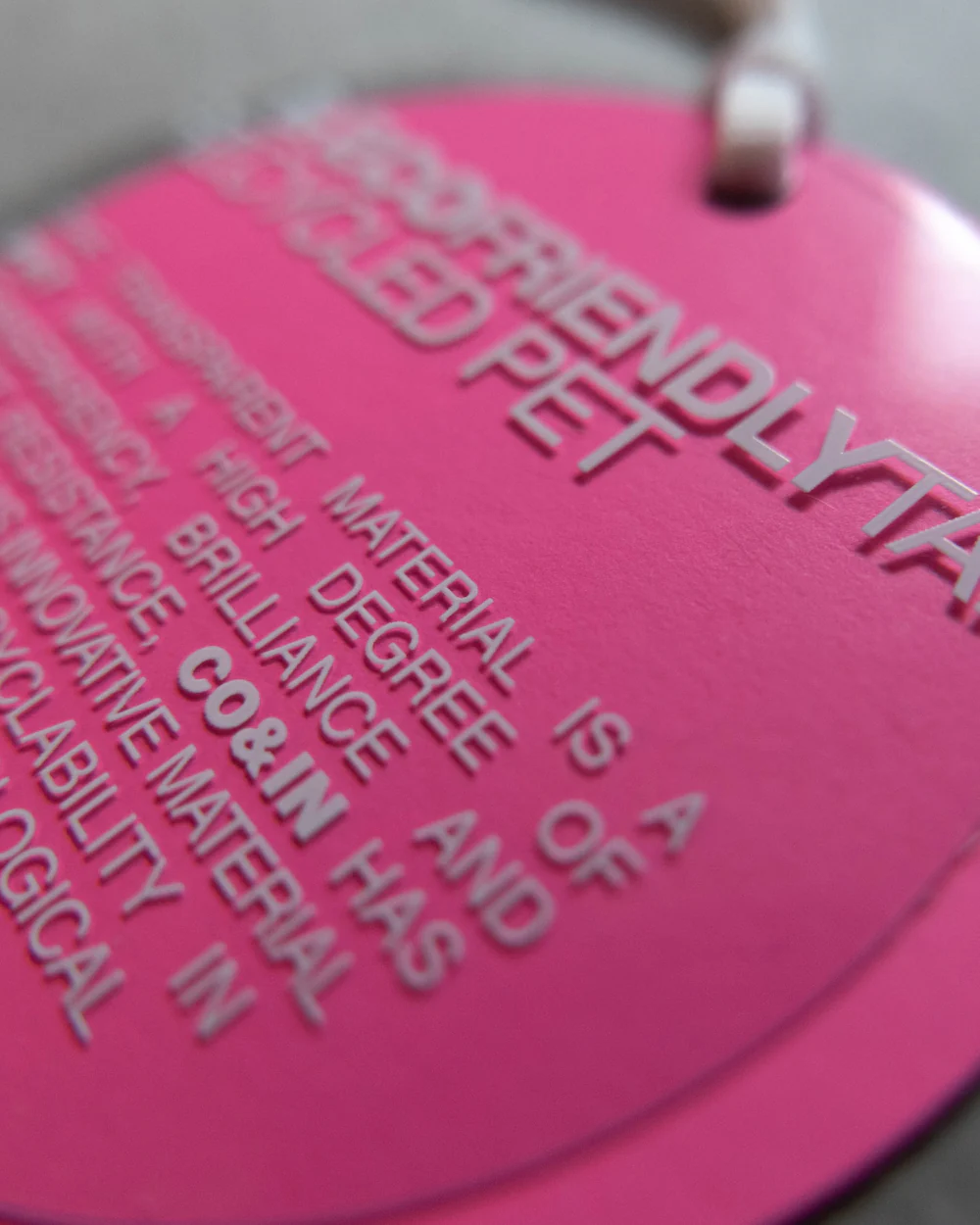
The new frontier of post-consumer regenerated yarns (such as high-end RPET or Newlife™ polymer) allows for creating woven labels and custom ribbons with an extraordinarily silky hand and a luster identical to virgin polyester.
Technical analysis:
These yarns derive from the recovery of post-consumer plastics but undergo drawing and subsequent processing on high-definition looms that eliminate structural imperfections. From an environmental impact perspective, adopting certified regenerated yarn reduces water consumption and CO2 emissions compared to virgin alternatives, while ensuring a 4/5 grade pilling resistance (optimal for clothing subject to constant friction). The result is a ribbon or label that feels like precious silk satin to the touch but holds an authentic circular economy story.
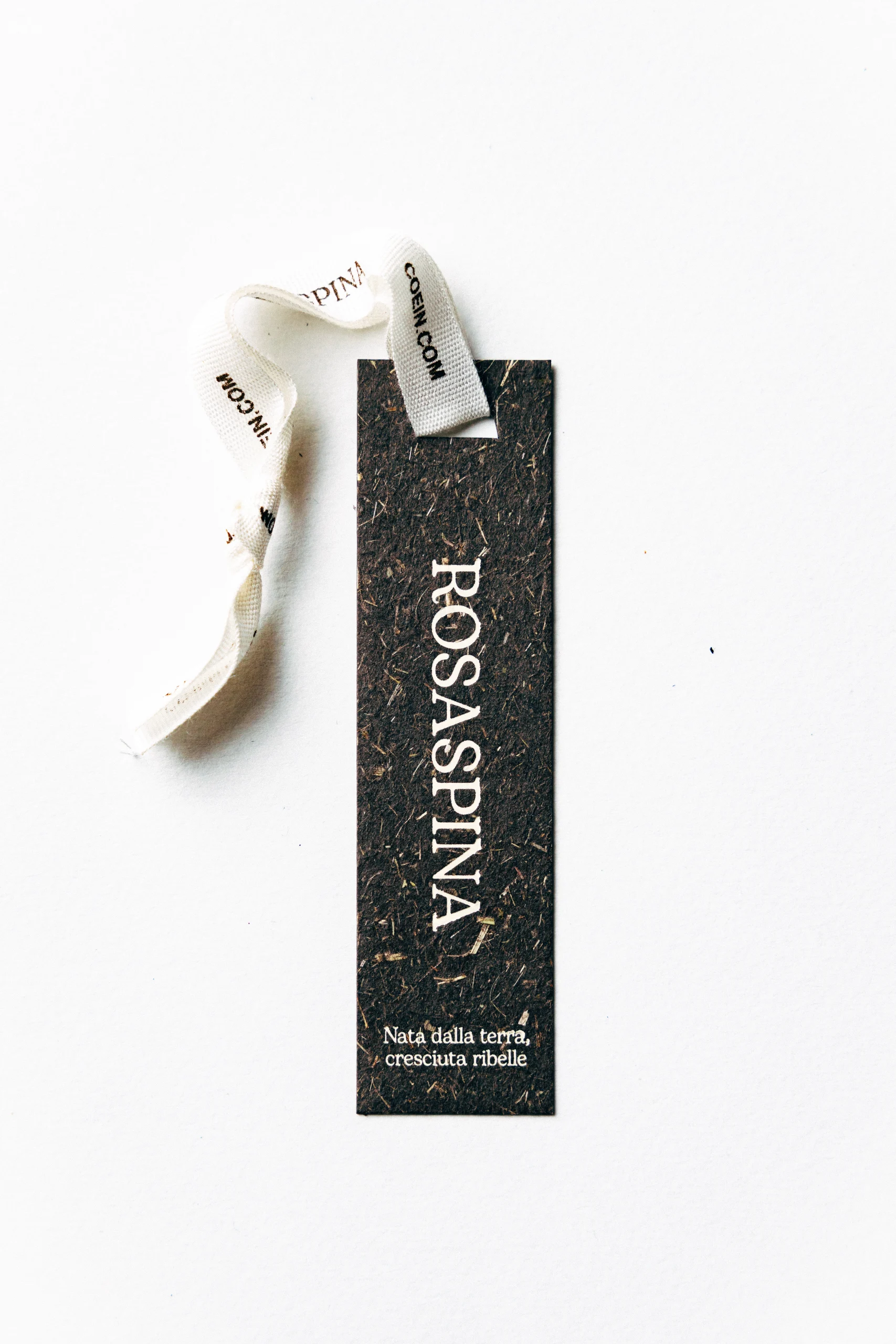
Silky hand and ecology. Cutting-edge textile technologies allow for shiny, soft ribbons made from regenerated polymers, eliminating any compromise between aesthetics and the environment.
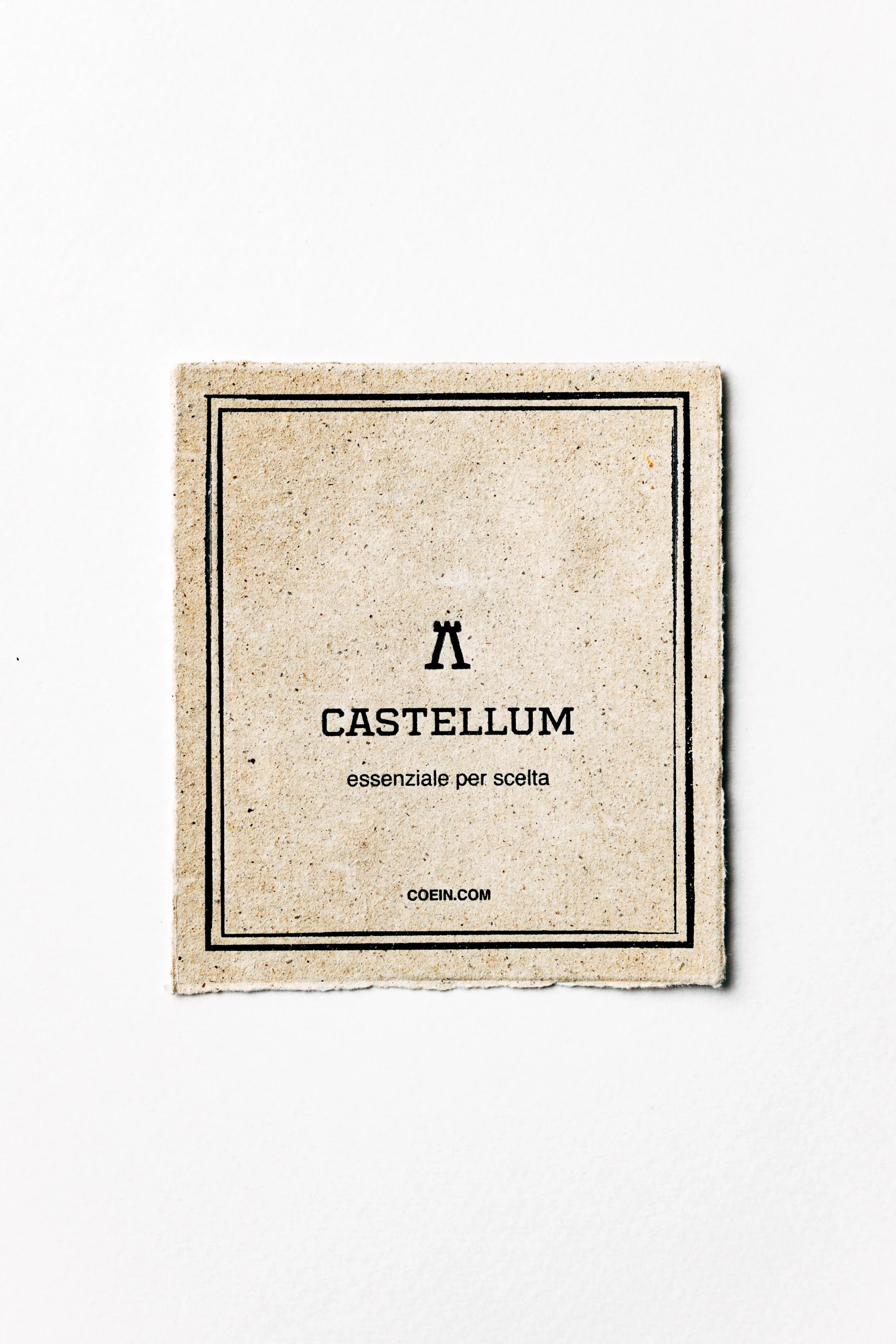
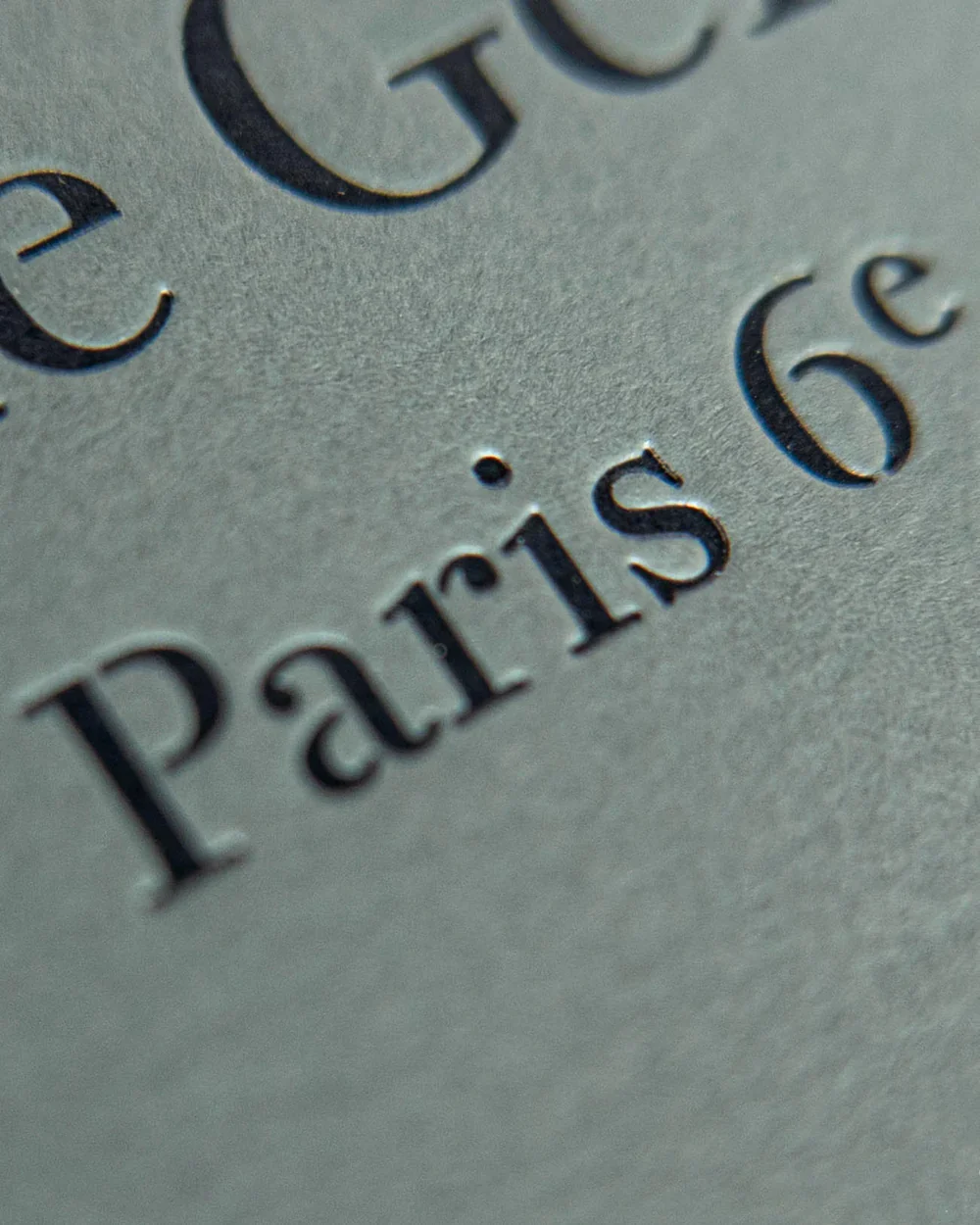
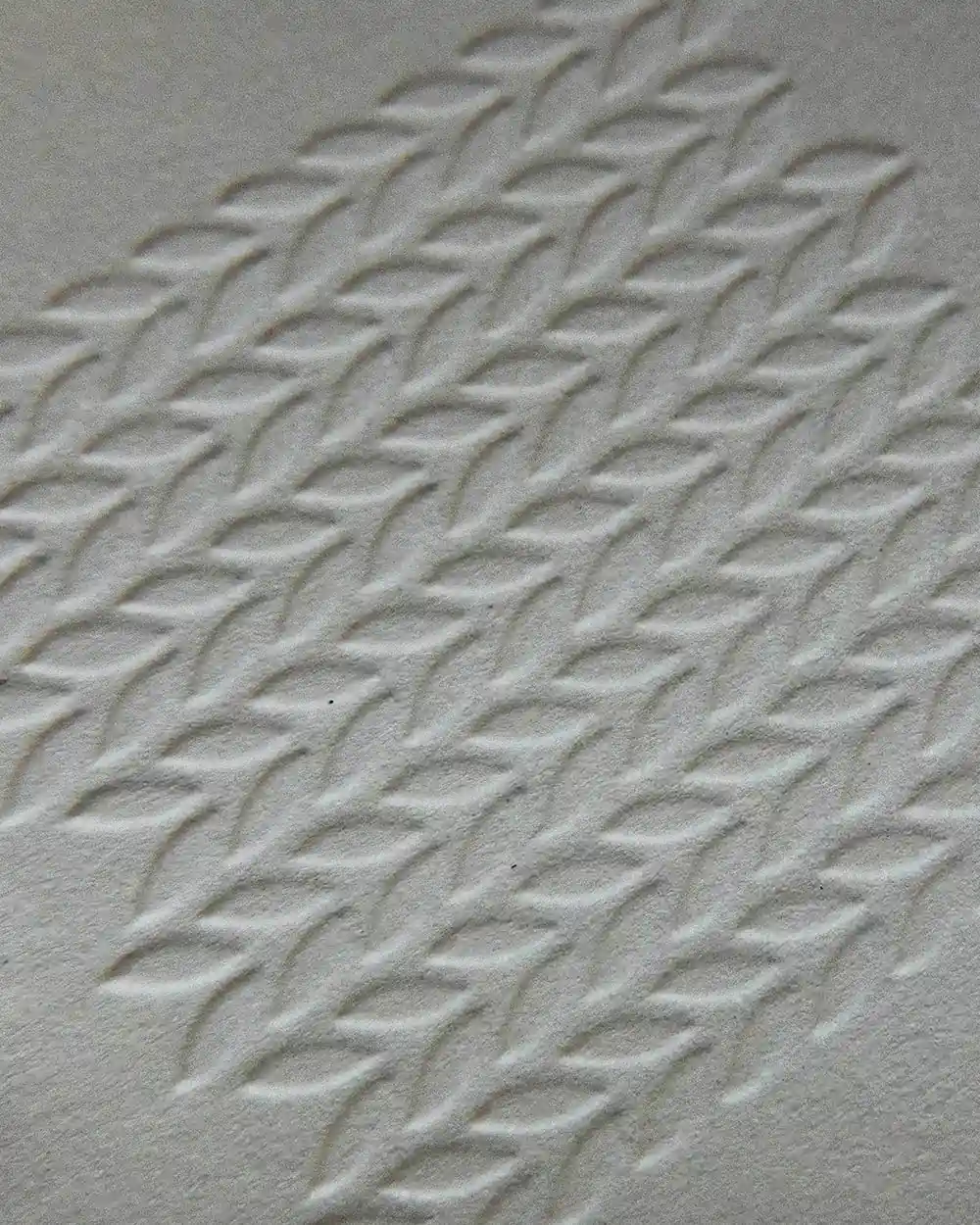
The depth of the fiber. Textured and handmade paper offer a three-dimensionality that chemically coated options cannot emulate, enhancing reliefs and imprinted details.
Papers that breathe: beyond certifications and handmade paper
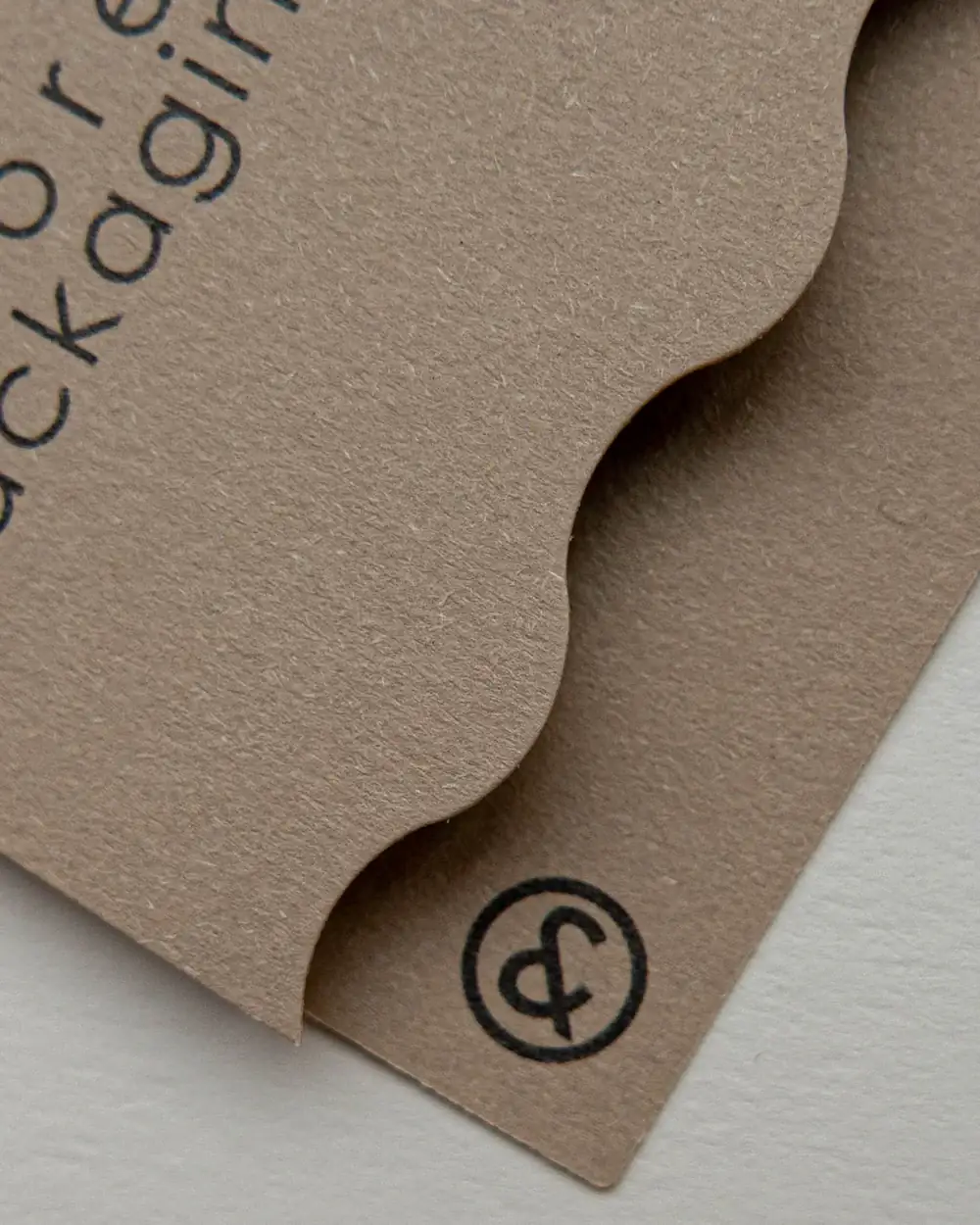
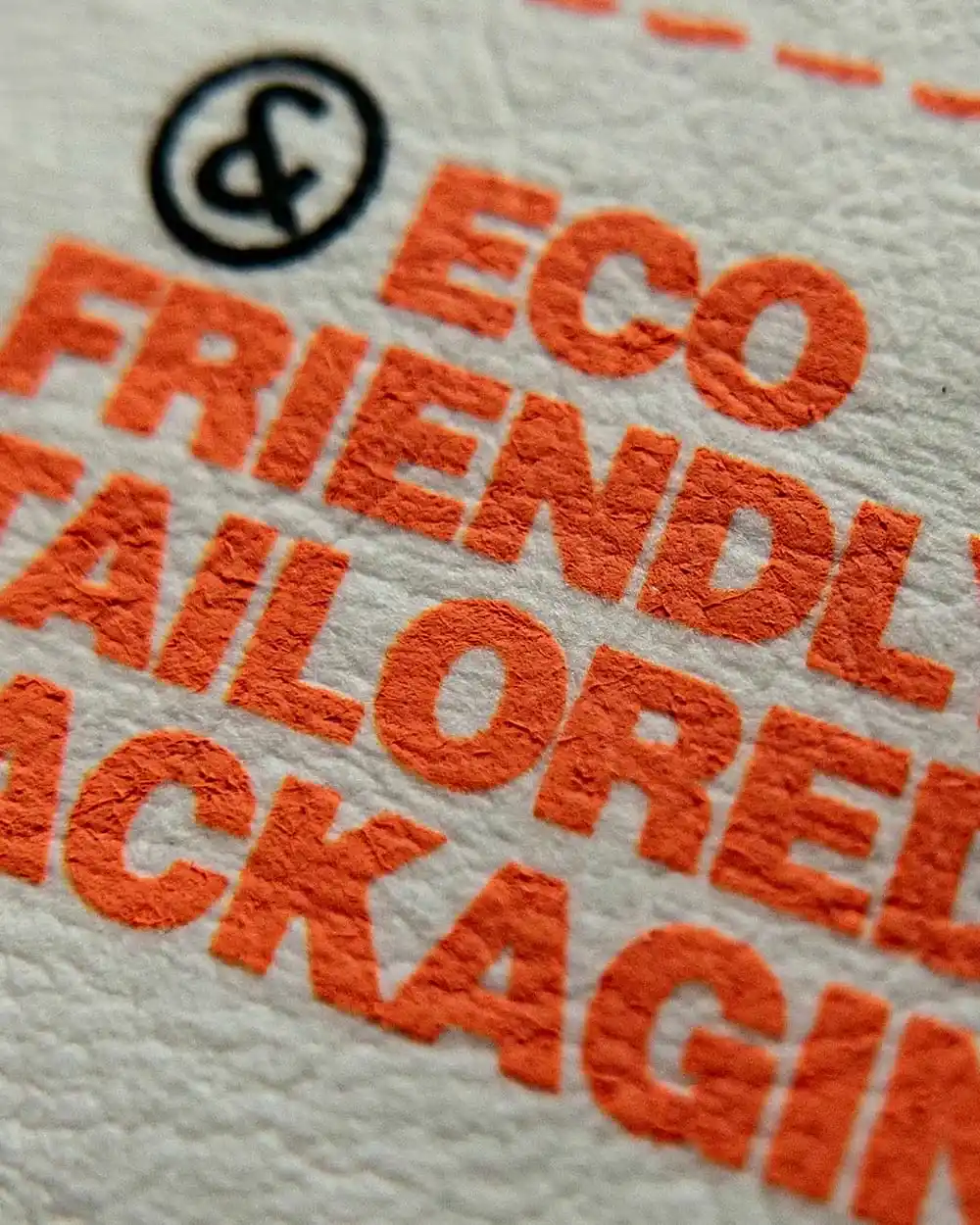
Environmental certifications are now a fundamental prerequisite for proper packaging design. However, the innovation of paper supports pushes the gaze well beyond mere controlled forest management. We are witnessing an avant-garde return of alternative natural fibers (such as cotton, bamboo, or agro-industrial residues from citrus, coffee, and grapes) that create uncoated surfaces, capable of absorbing light rather than reflecting it, providing extraordinary visual depth.
For brands seeking absolute distinction, the solution lies in the development of bespoke handmade paper. In this case, we are not talking about standard industrial supplies, but sheets made by hand, one by one, according to ancient papermaking methods.
This approach allows for implementing a proprietary, zero-km circularity model: brands can provide their own production waste (scraps of precious fabrics, leather dust, denim selvages, or excess yarn) to be macerated directly into the paper’s liquid pulp. The new labels or boxes are thus made with materials internal to the brand itself.
The advantages of the material transition:
- Unique identity: The packaging literally contains the physical DNA of the collection.
- Tactile experience: Non-coated textured paper offers a warm roughness and an incomparable sensory experience compared to traditional plastic-coated coated paper.
- Disruptive storytelling : Production waste transforms from a disposal cost into a communication asset (“Organic Luxury”).
The resistance of sustainable paper: the new standard
One of the most frequent technical objections raised by quality control departments concerns the mechanical integrity of recycled or unconventional paper labels. The question is legitimate: can these alternative supports withstand the tensions of automatic packaging lines and international shipping?
The answer lies in the strict industrial stress tests that modern label materials undergo before being placed on the market. The short fiber typical of recycled cellulose is now appropriately balanced with long fibers from recovery or annual crops (such as hemp or flax), increasing the multidirectional tear resistance of the tag.
Regenerated textile solutions brilliantly pass color fastness and industrial wash resistance tests (up to 60°C), proving that opting for sustainable innovation no longer represents an operational risk factor, but a consolidated standard of reliability and robustness.
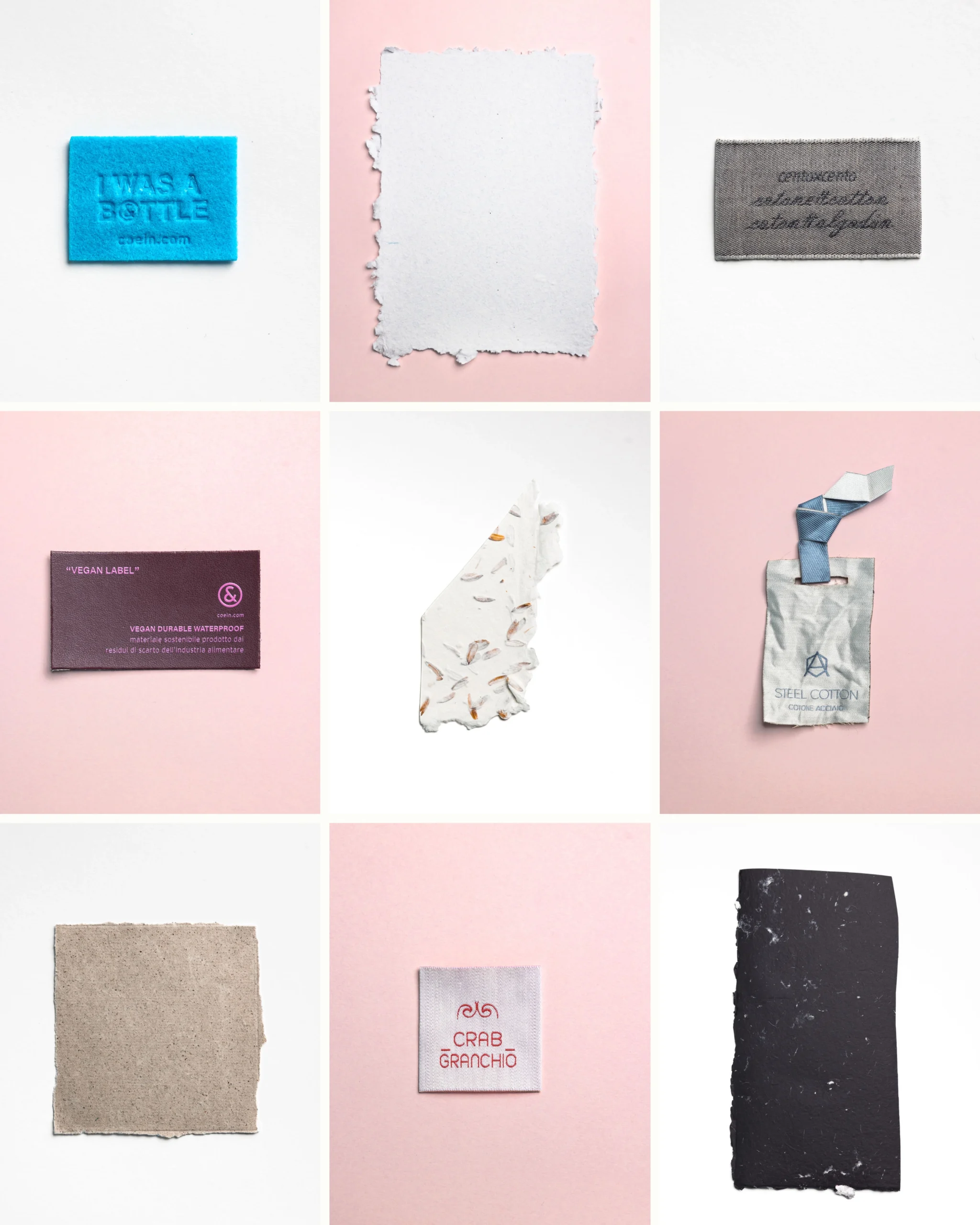
Certified resistance. Our materials archive contains hundreds of ecological references tested to ensure the same physical and chemical tolerances as traditional materials.
Choosing paper types. From duty to style choice
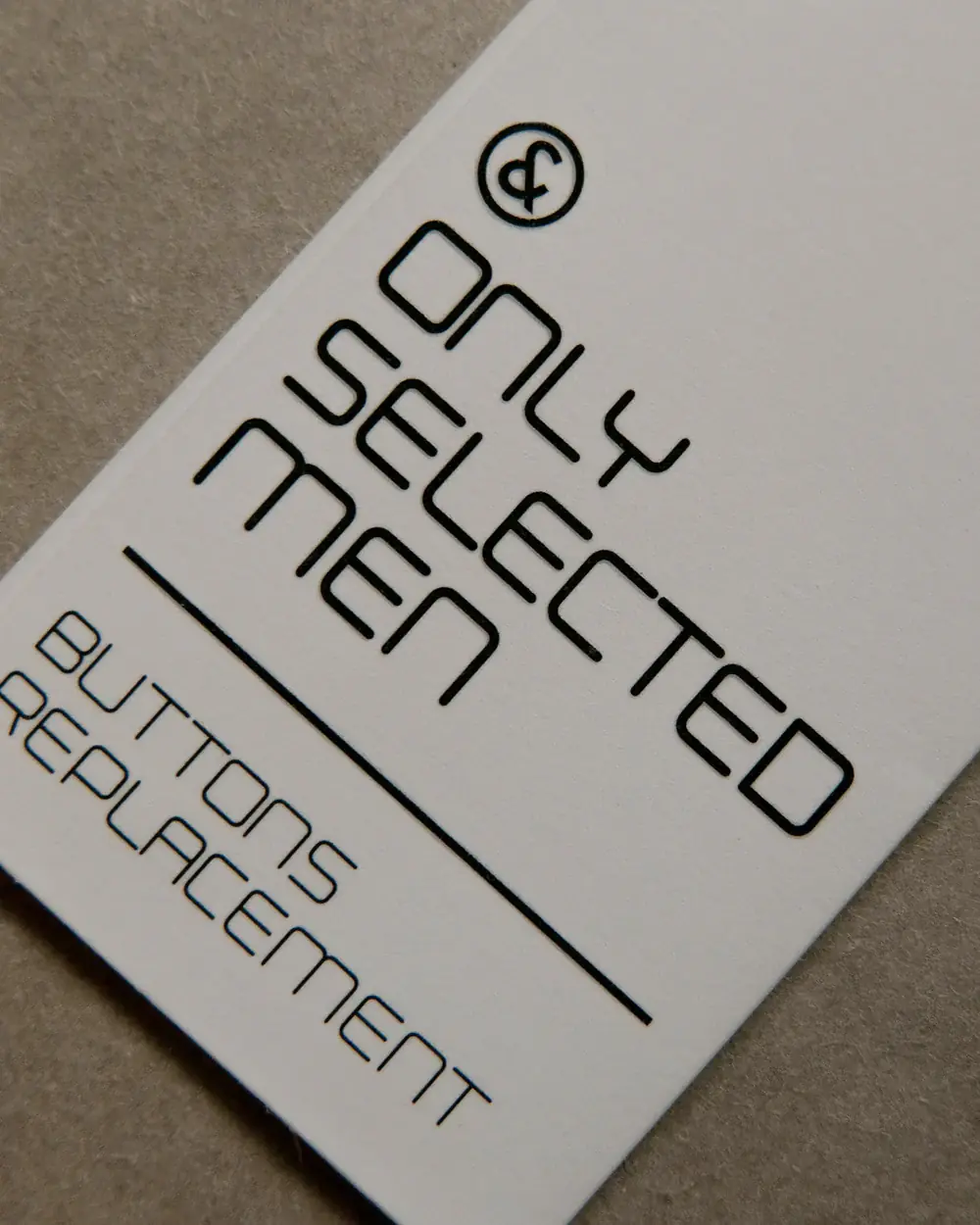
Navigating the vast landscape of new cellulosic and textile supports requires method. It is not simply about replacing a purchase code, but about defining the sensory footprint of your brand. When choosing labels and the various types of paper, the decision must be guided by a clear overview, where the texture of the packaging aligns perfectly with the positioning of the final product.
Matter is no longer a neutral, silent element; it is an integral part of the brand message. Abandoning old plastics and artificial finishes in favor of living, porous surfaces rich in history allows positioning the brand in a dimension of contemporary, cultured, and ecologically conscious luxury.
To facilitate this decision-making process, we don’t just propose the latest technological innovations. We believe that studying the future requires a deep knowledge of the past. For this reason, we have structured our Historical Research Archive. If you wish to explore the evolution of textile and paper luxury over the last fifty years, or if you are looking for inspiration in an archive weave that is now hard to find, we invite you to browse our physical sample books.
The future of sustainable packaging and labelling is already here, but its roots are deep.
See you in production.
Ispiriamo la tua voglia di comunicare
Un dettaglio è già un messaggio. Per questo abbiamo raccolto esempi, finiture e materiali in un campionario pensato per stimolare idee nuove e far parlare i tuoi prodotti con più forza. Ogni ispirazione è una promessa di identità: carte che frusciano al tatto, texture che sorprendono, soluzioni che uniscono estetica e funzione. Un invito a immaginare, progettare e trovare “quel” materiale che sembra fatto apposta per il tuo brand.
Scarica il Tag inspiration book 2026
 Carte Naturali