

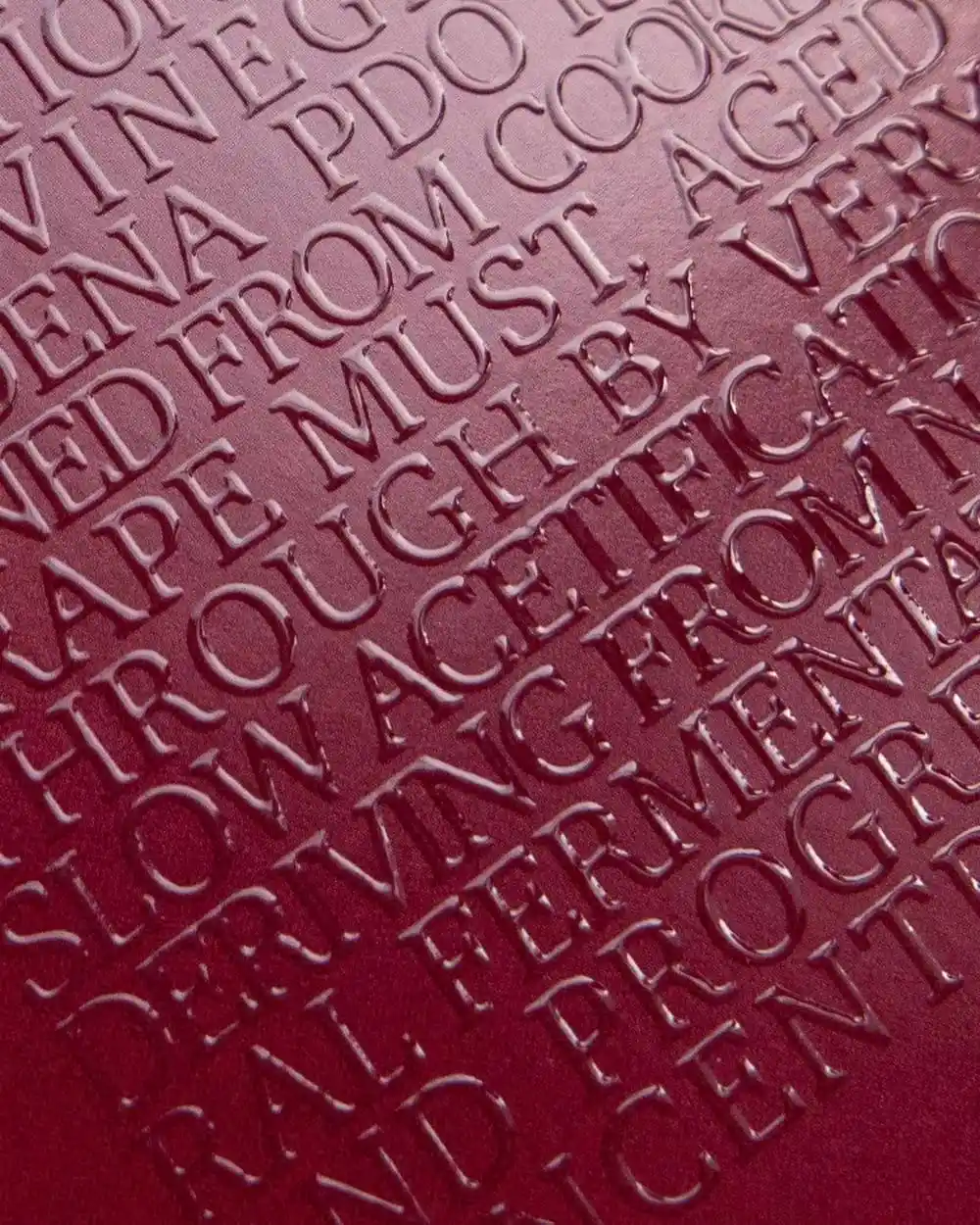
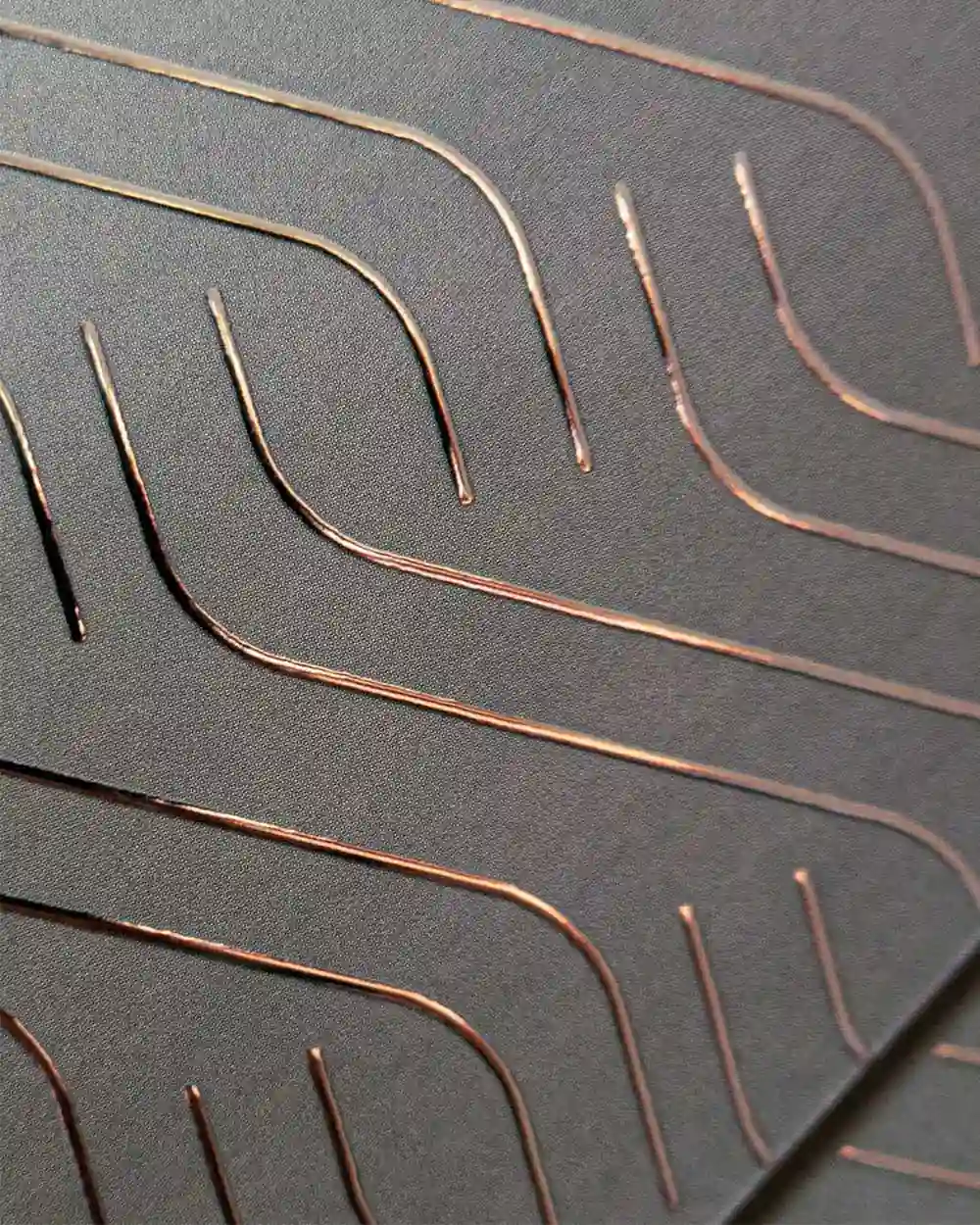
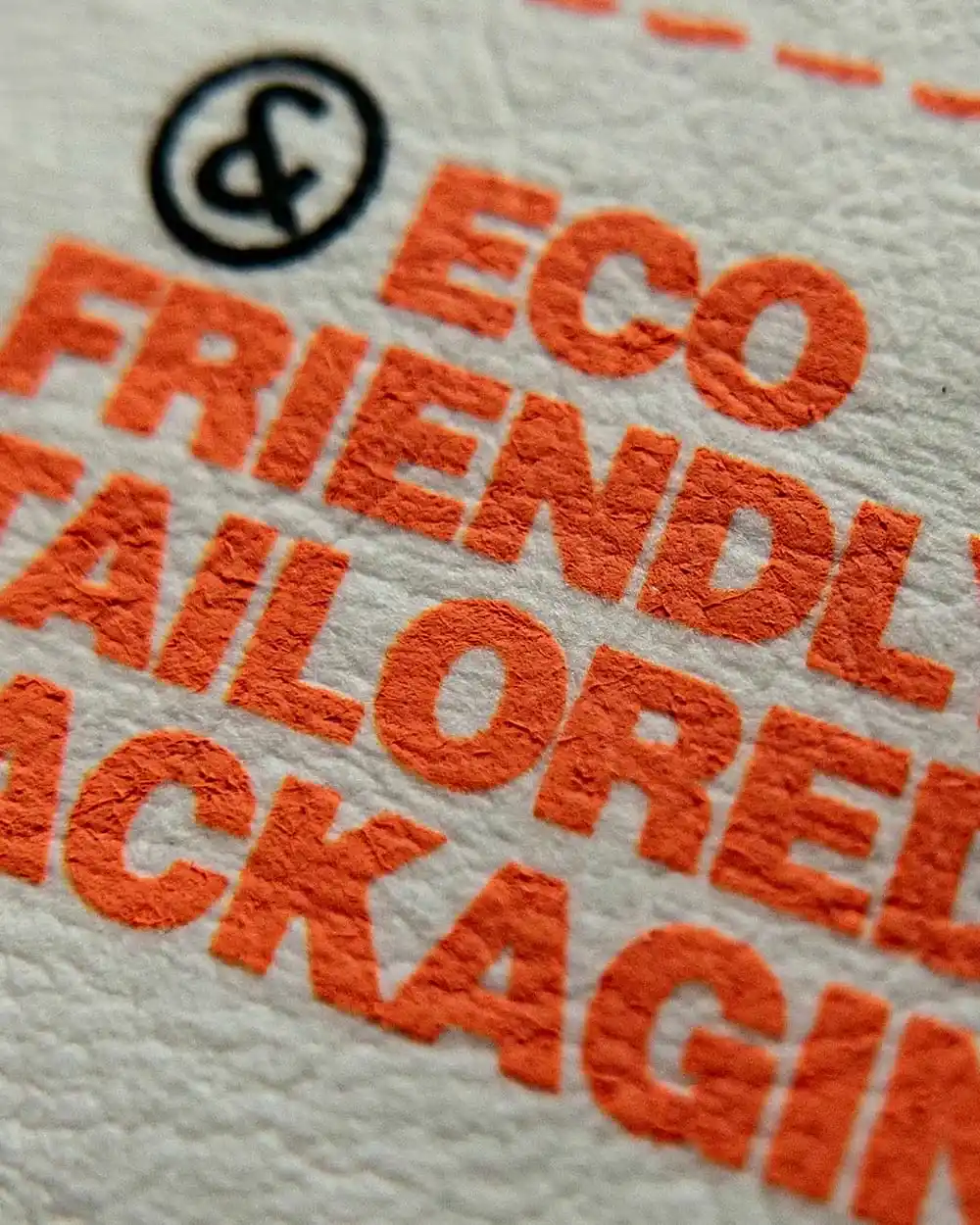
THE ENGINEERING OF DETAILS. How "Micro-Layering" transforms a standard product into a luxury asset.
There is an unwritten rule in the packaging sector: the closer the packaging element is physically to the product, the more precious and studied its manufacture must be.
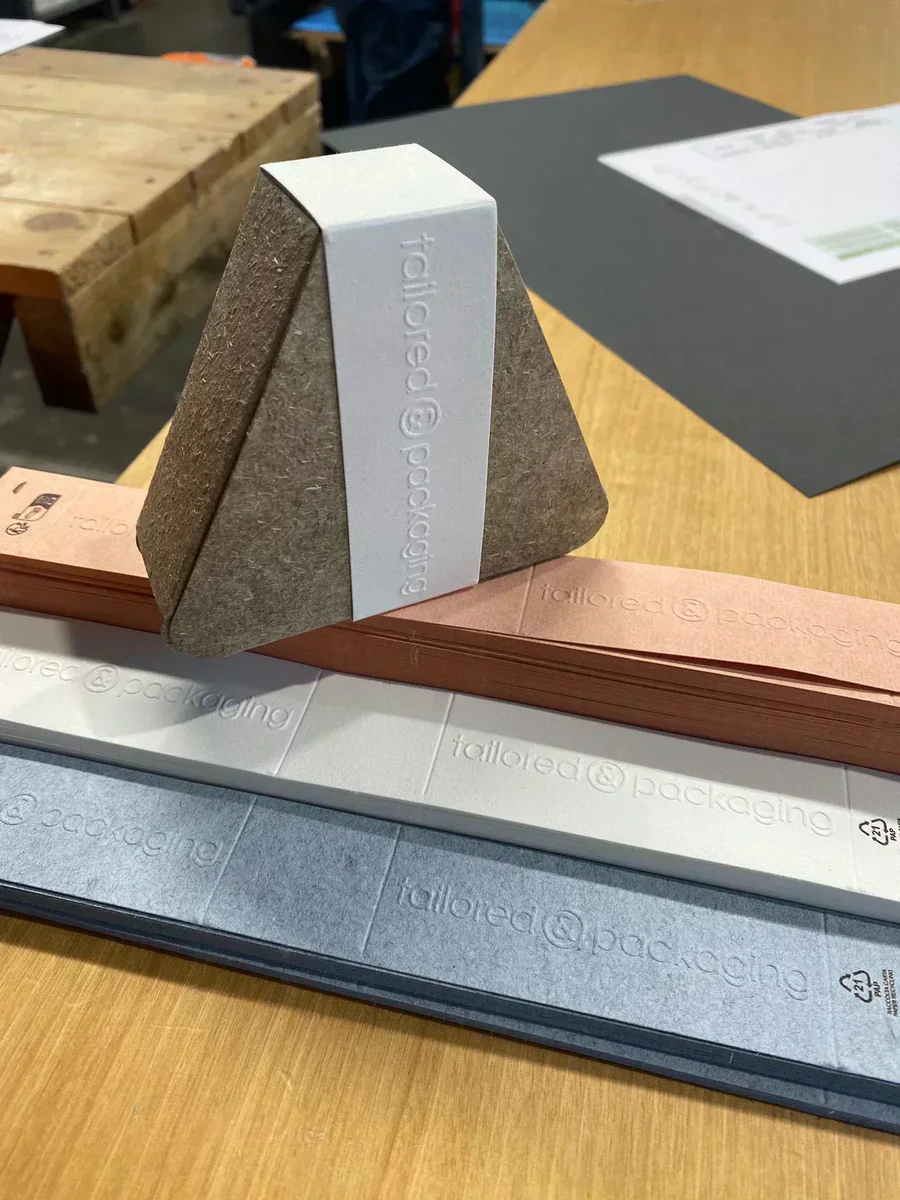

This is where the strategic concept of “micro-layering” comes in, a design technique that consists of concentrating investments on small but high-quality elements. Instead of spreading the budget over large external surfaces, forward-thinking brands prefer to enhance the details of the packaging, working on trims, seals, and micro-accessories.
Why does this strategy work so well? Because densifying quality into small, highly refined components positively deceives our cognitive processes: an impeccable detail subconsciously suggests to the brain that the entire luxury product has been crafted with the same level of maniacal care.
The Science of Unboxing: A Matter of Chemistry
The act of unwrapping multiple, progressive layers (the quintessence of micro-layering) stimulates the release of dopamine, the neuro-transmitter linked to discovery and gratification, in the brain. The richer and more structured the opening sequence, the more the content is perceived as a true “treasure.” It is not just about designing a paper wrapper, but about structuring a memorable sensory experience.
How to transform packaging into a luxury product?
To elevate industrial packaging and bring it to the standards of fashion packaging or artistic perfumery, one must abandon the idea of a single container. You need to start thinking in terms of modules.
Micro-packaging is based on the harmonization of different families of materials that accompany the client from the moment of opening until the direct contact with the garment or object. Let’s look at three engineering combinations designed to achieve this goal.
1. COMBINATION A: THE “TEXTILE LOCK”
The goal of this configuration is to structure a true access ritual for the customer during the unboxing phase.
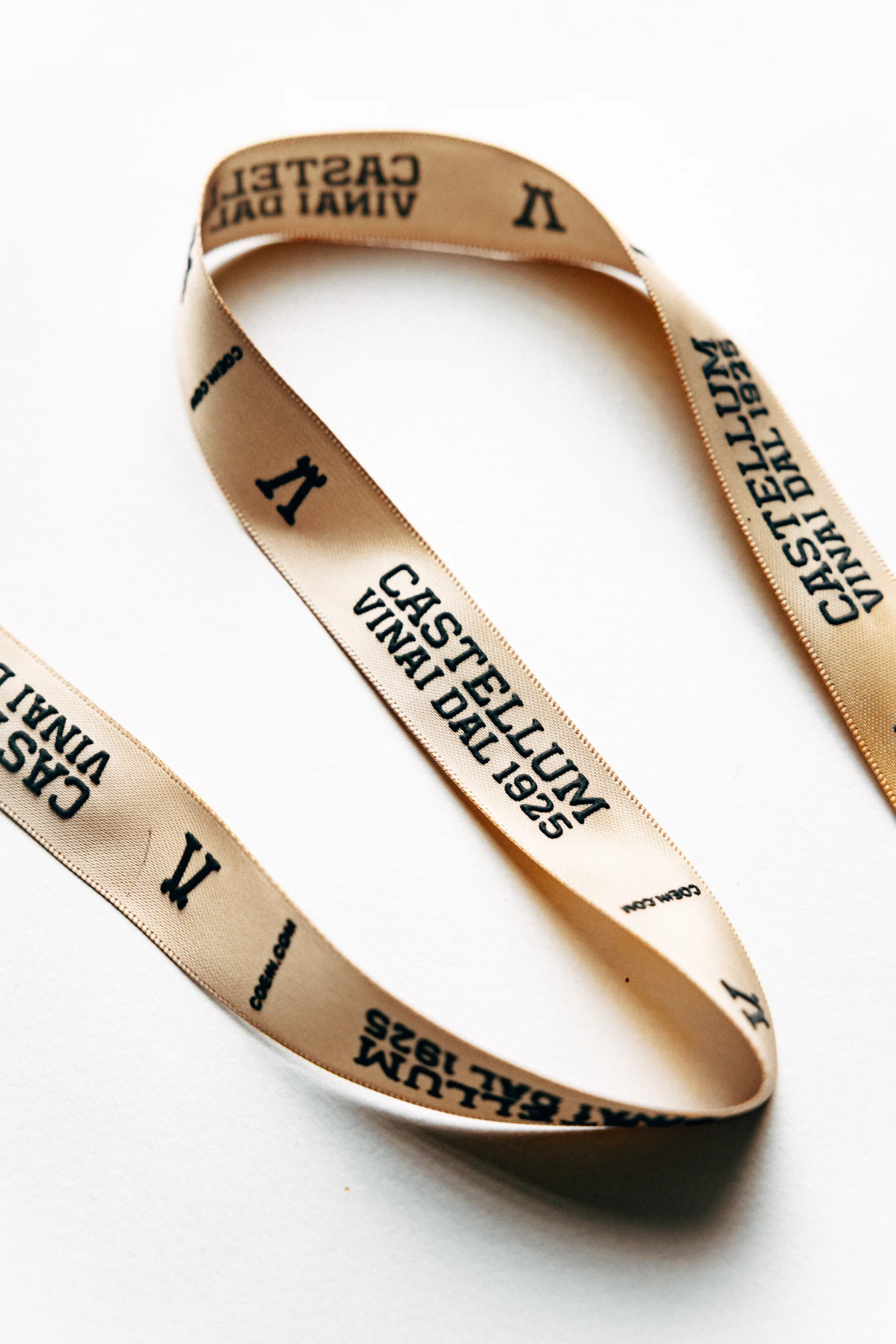
The Exterior (The custom ribbon): It can wrap the inner tissue paper or tie the main box. It represents the first soft, purely aesthetic, and tactile contact. The gesture of untying it is the prelude to the experience.
The Interior (The security seal): Applied directly to the product (for example, to a garment loop or a handbag strap), it represents the technical and rigid element. It instantly communicates the integrity of the item, offering a guarantee of absolute high quality.
The Engineering of Detail:
The added value of this combination lies in the chromatic and material alignment of the textile lock. Coordinating the yarn of the ribbon with the cord of the plastic or metal seal with millimetric precision creates an immediate visual thread. This attention to detail demonstrates a visual coherence that elevates brand perception from the very first glance.
Beauty on the outside, security on the inside. The custom tape creates anticipation, while the plastic or metal seal certifies the product’s authenticity and integrity.
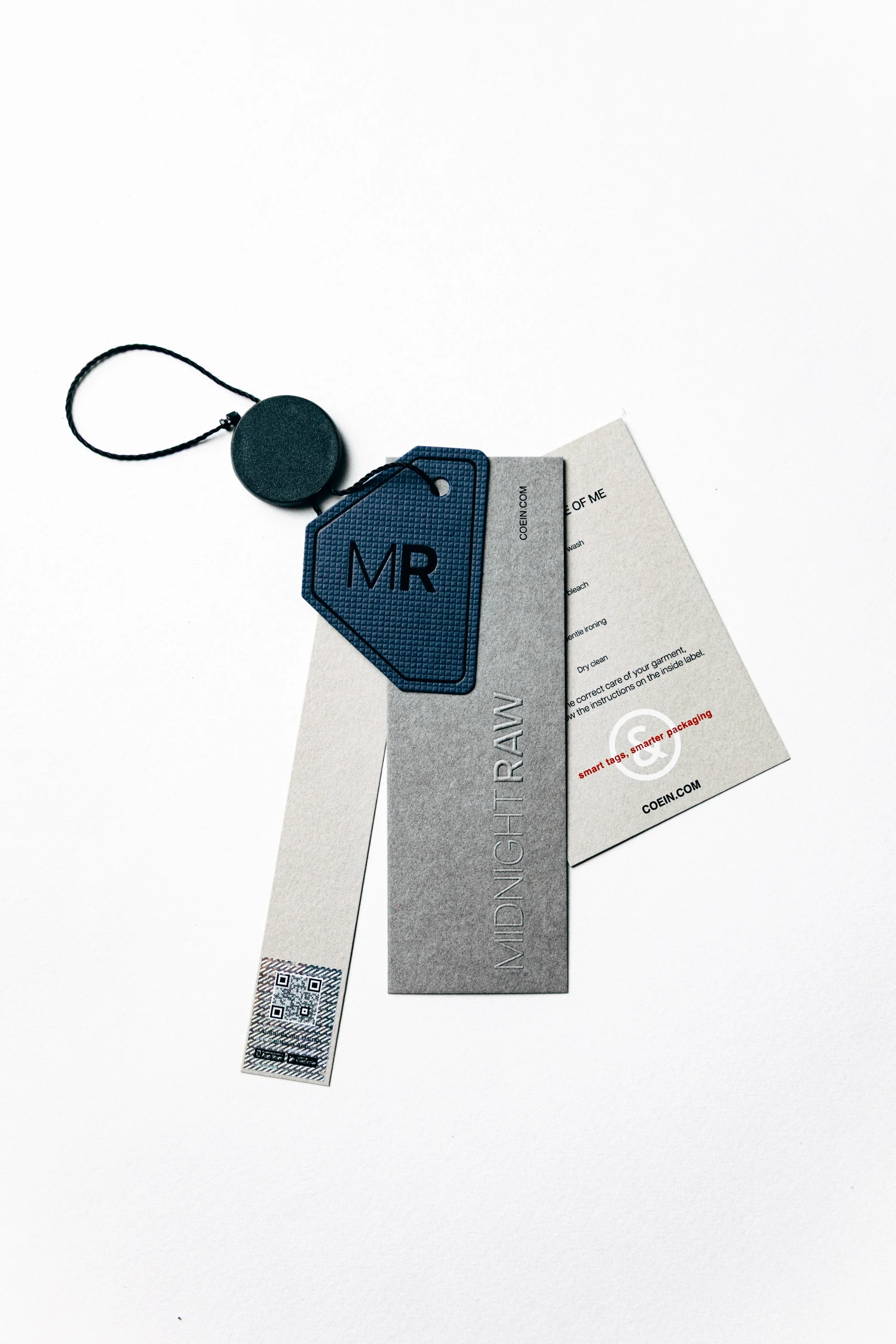
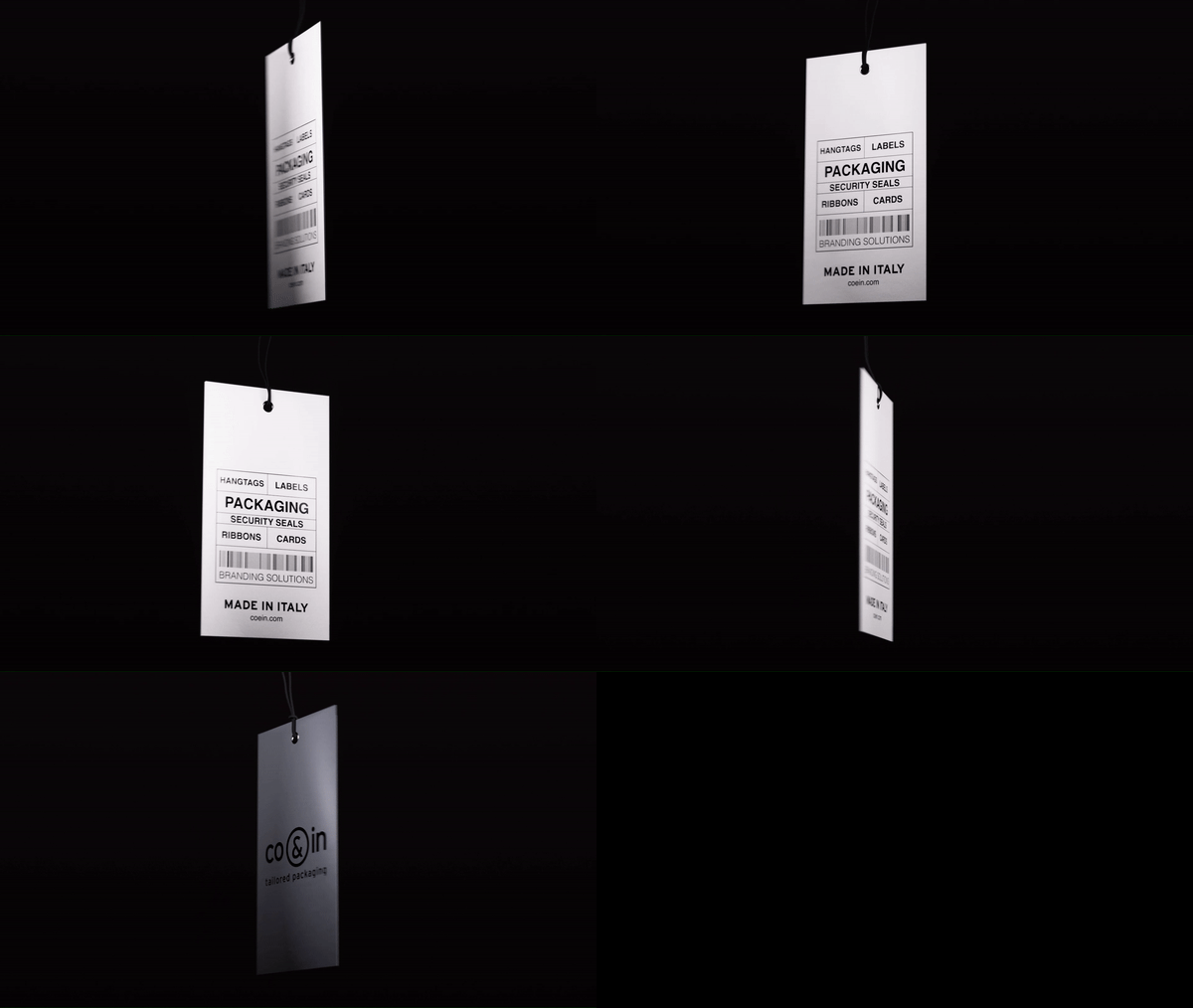
Information Layering. Each layer serves a specific function: Identity (Tag), Storytelling (secondary tag), Digital Connection (Smart Card).
2. COMBINATION B: THE “DATA STACK” (Information Density)
| Layer | Component | Material / Features | Primary Function |
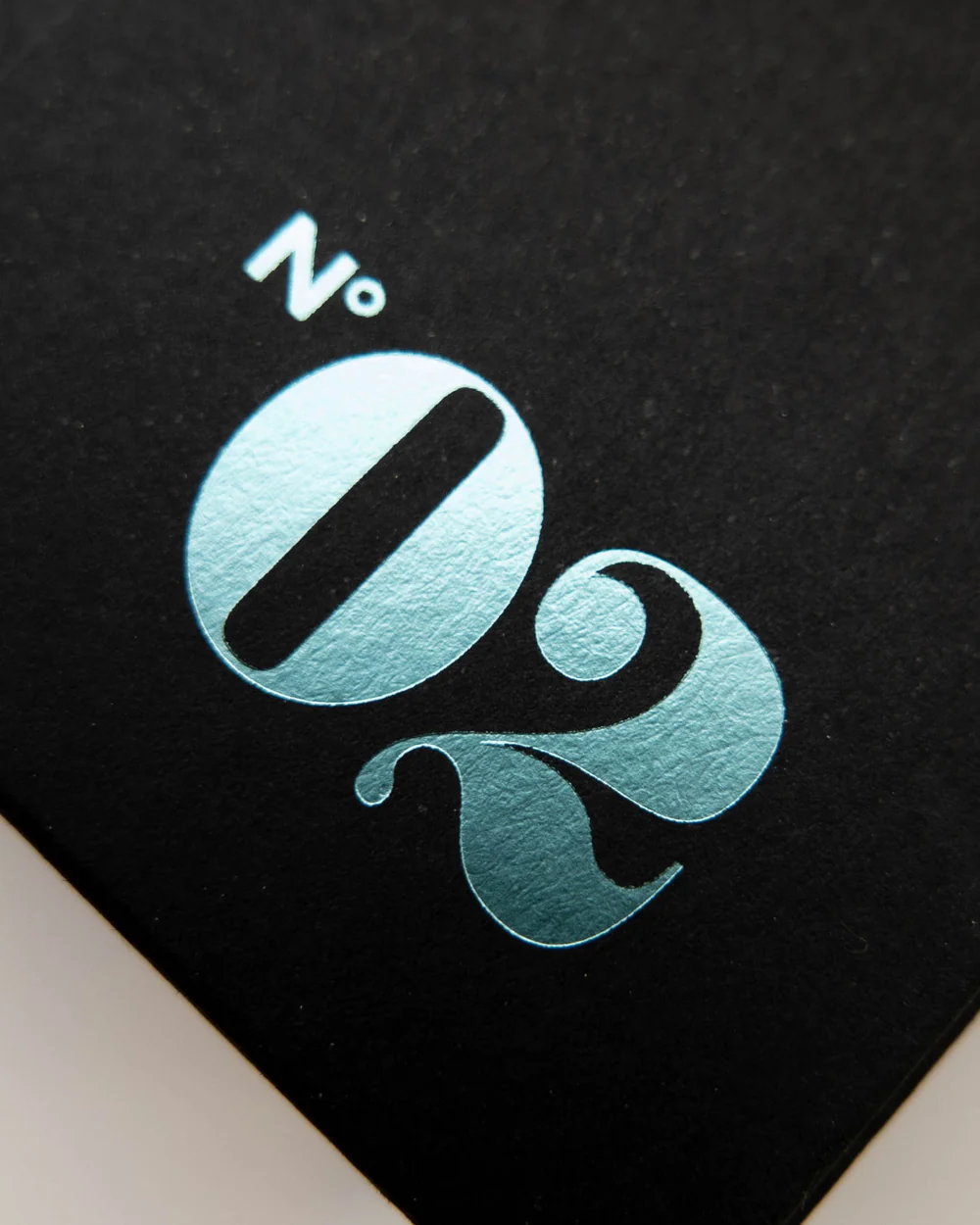
| 01 | Main Hangtag | High-thickness or pulp-dyed cardboard with hot foil stamping or embossing. | Representation of visual identity and brand logo. |
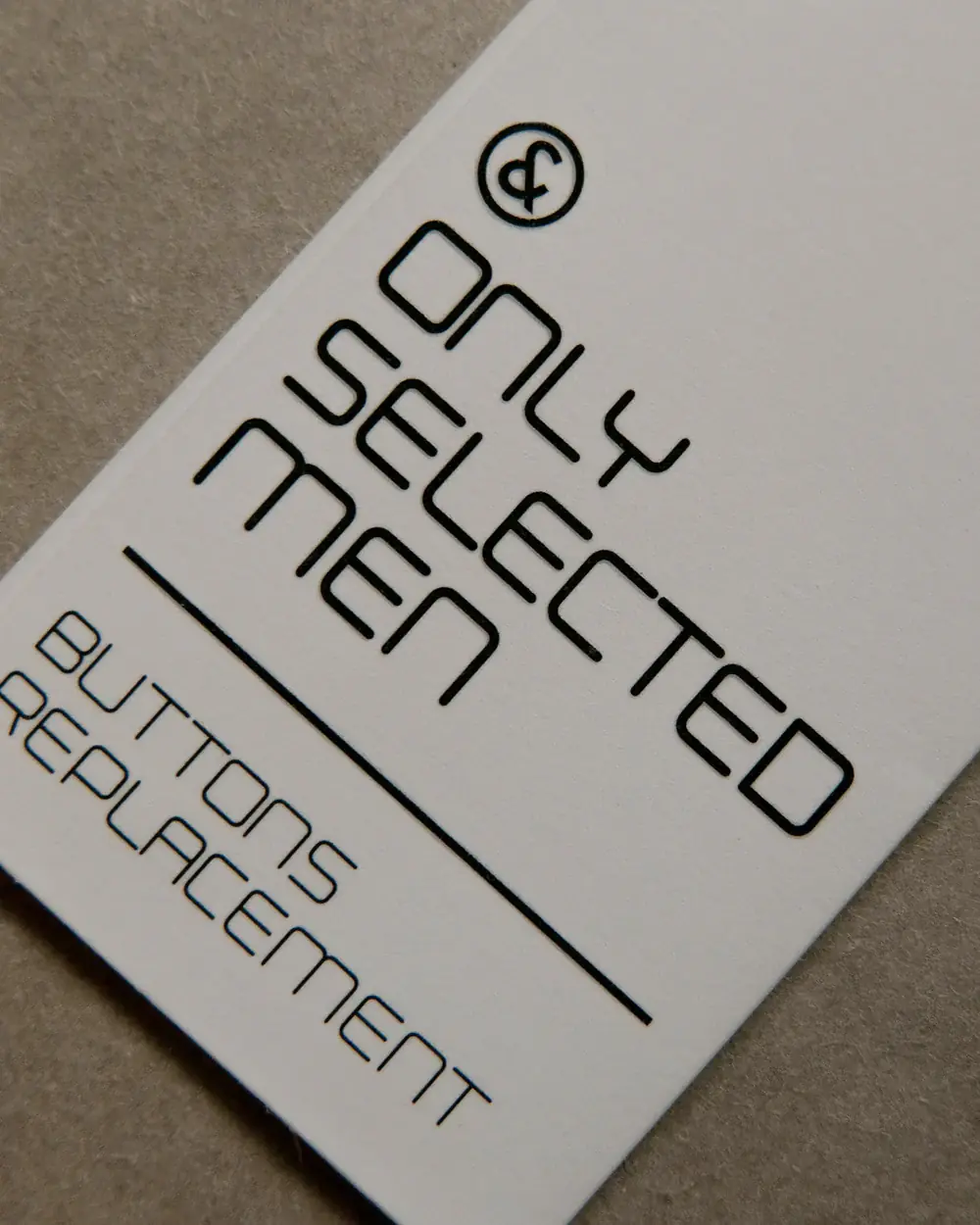
| 02 | Secondary Hangtag | High-quality, lightweight paper (e.g., uncoated or textured). | Garment care instructions, storytelling, and raw material origin. |
| 03 | Smart Card | Rigid support with integrated NFC chip or unique QR Code. | Digital product authentication and access to exclusive content for the customer. |
When the customer picks up this set of items, they immediately sense its physical weight and texture.
3. COMBINATION C: THE “TACTILE MATRIOSKA” (Progressive Protection)
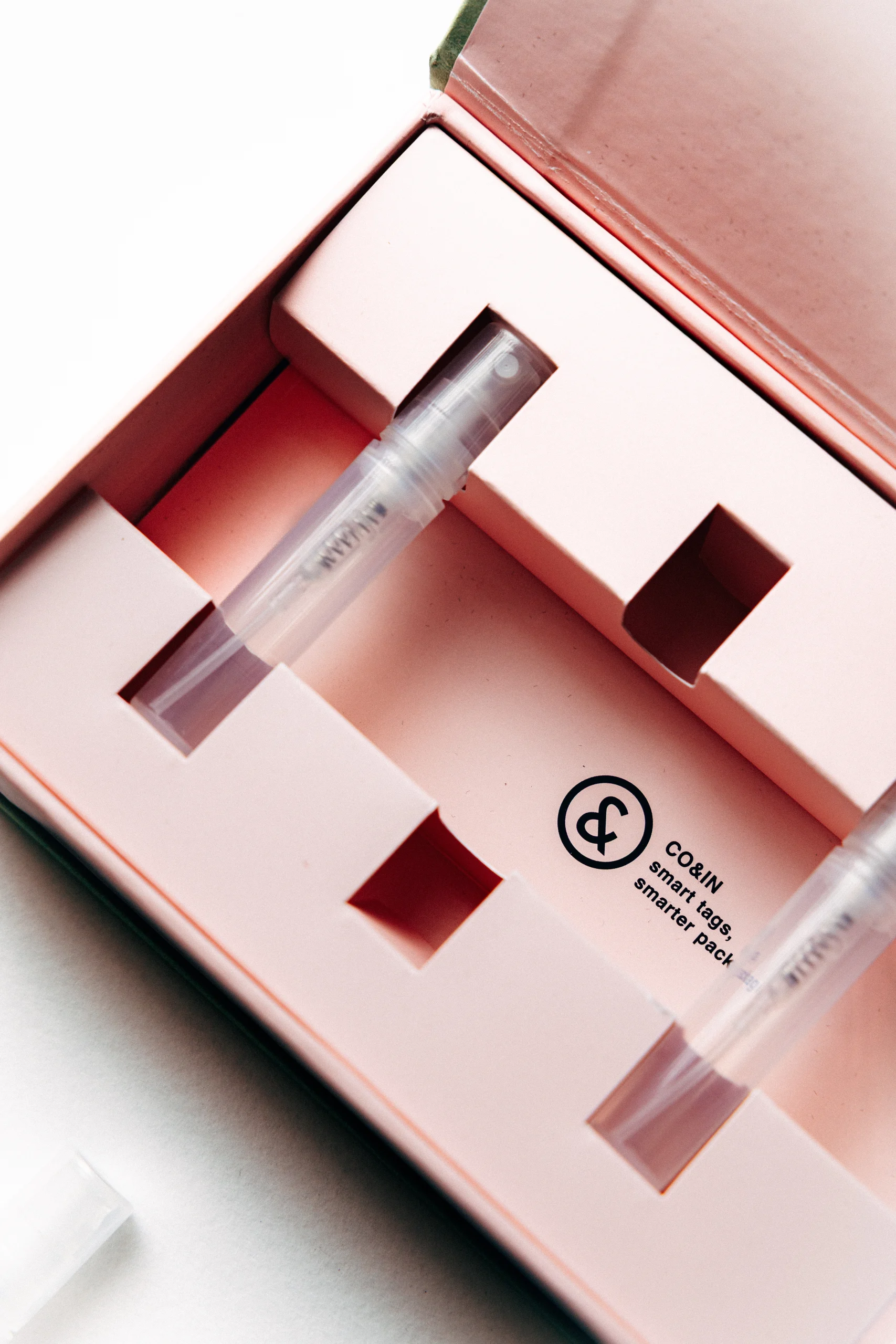
For small-sized items, such as jewelry, small leather goods, metal accessories, or even a refined collection of perfume samples, direct insertion into a box can be impersonal or cold.
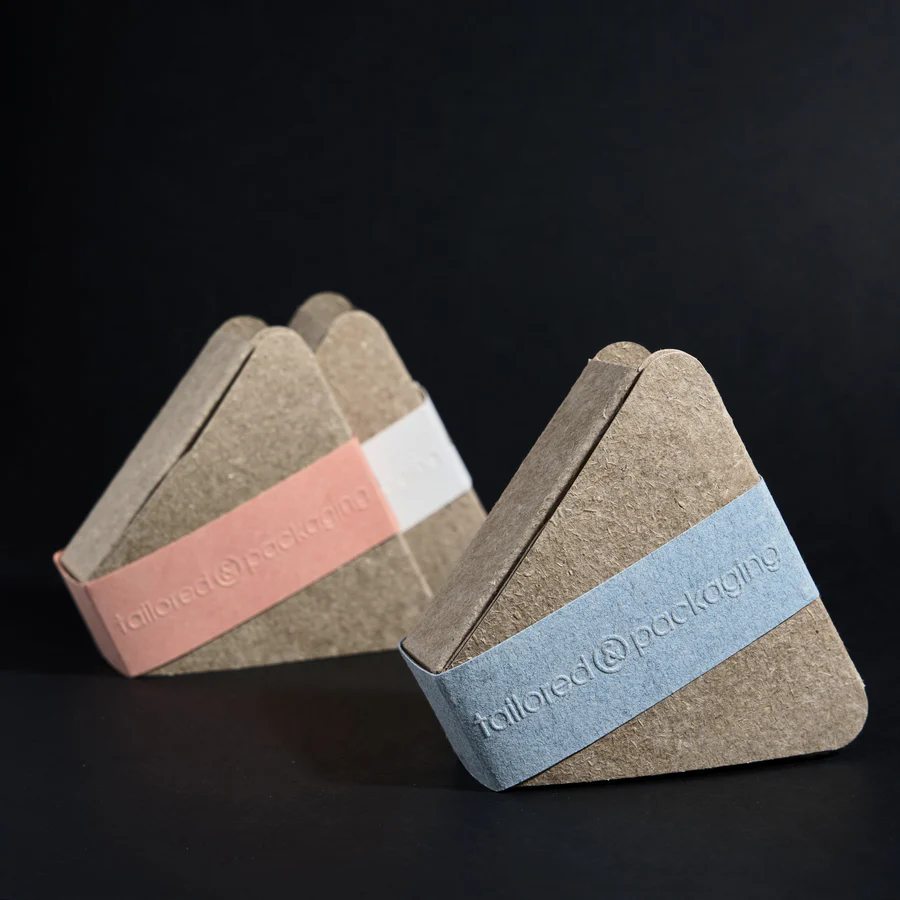
The ideal solution lies in dual progressive protection: a housing inserted inside a folding or rigid box, designed to measure.
- The rigid exterior: The box protects the object from impacts, defines volumes, and delimits the geometric space.
- The soft interior: A housing welcomes the object like a protective cushion.
The presence of a custom-made housing facilitates the act of discovery while eliminating annoying movements or noises of the product inside the box during transport.
Volume Engineering. The interior space serves as a buffer and protective chamber, creating the perfect intersection between structural design and sensory experience.
Detail Care. From fashion packaging to experience with CO&IN
The dividing line between a standardized shipment and a memorable shopping experience never lies in the external dimensions of the package, but in the accurate design of the micro-detail. Small accessories, ribbons, and seals are the true tangible elements that remain in the customer’s hands even after the shipping carton has been discarded.
At CO&IN, we develop and coordinate these micro-component systems to ensure they dialogue with each other in total harmony, both technically and chromatically.
If you wish to study the ideal micro-layering combination to enhance your products and define the most suitable materials for your collections, we invite you to test our pairings firsthand in our showroom.
See you in production.
Ispiriamo la tua voglia di comunicare
Un dettaglio è già un messaggio. Per questo abbiamo raccolto esempi, finiture e materiali in un campionario pensato per stimolare idee nuove e far parlare i tuoi prodotti con più forza. Ogni ispirazione è una promessa di identità: carte che frusciano al tatto, texture che sorprendono, soluzioni che uniscono estetica e funzione. Un invito a immaginare, progettare e trovare “quel” materiale che sembra fatto apposta per il tuo brand.
Scarica il Tag inspiration book 2026