Smart tags, a guide to choosing
For a fashion and luxury brand, discovering counterfeit products on the market is a common scenario, but one that requires clear thinking. Reacting impulsively by adopting the first available technology is often the fastest way to waste budget without solving the problem at its root.
Protecting a brand and enhancing Made in Italy cannot be improvised: it requires rigorous planning and a tailored technological architecture.
Options change radically depending on the objective; different threats correspond to entirely different types of labels and defense systems.
Anti-counterfeiting labels with RFID and NFC technology
Before choosing a solution, you need to understand the technology. RFID (Radio-Frequency Identification) technology, which is effectively the precursor to NFC, was not born for fashion, but for war. It was invented during World War II for IFF (Identification Friend or Foe) systems: it helped radars determine if an approaching aircraft was friendly or enemy.
Today, with RFID labels, we do exactly the same thing: we query the product through miniaturized electronic devices to know if it is original or fake. The modern evolution of this technology is NFC (Near Field Communication), a system that allows short-range data exchange. Unlike a normal passive RFID tag used for warehouse logistics, advanced systems talk directly to customers’ smartphones, transforming the product itself into the brand’s primary defender.
Let’s enter the lab. We have selected the two market-leading technologies to understand their structure and how they react.
CERTIEYE®: The visible shield against the gray market
Active principle: Deterrence, Geographic Traceability, and Real-time Action.
Think of CertiEye not just as a simple printed code. Forget old standard barcodes or static QR codes, which are inert and easily replicable. The CertiEye code is a “living” label.
How it works (The Mechanics): When a user scans the code, the system doesn’t just say “It’s original” or “It’s fake.” The system records who, where, and when. If you shipped a batch of 500 jackets to an authorized retailer in Milan, and suddenly 200 of those codes are scanned by customers in Shanghai, the platform lights up a red signal on your dashboard.
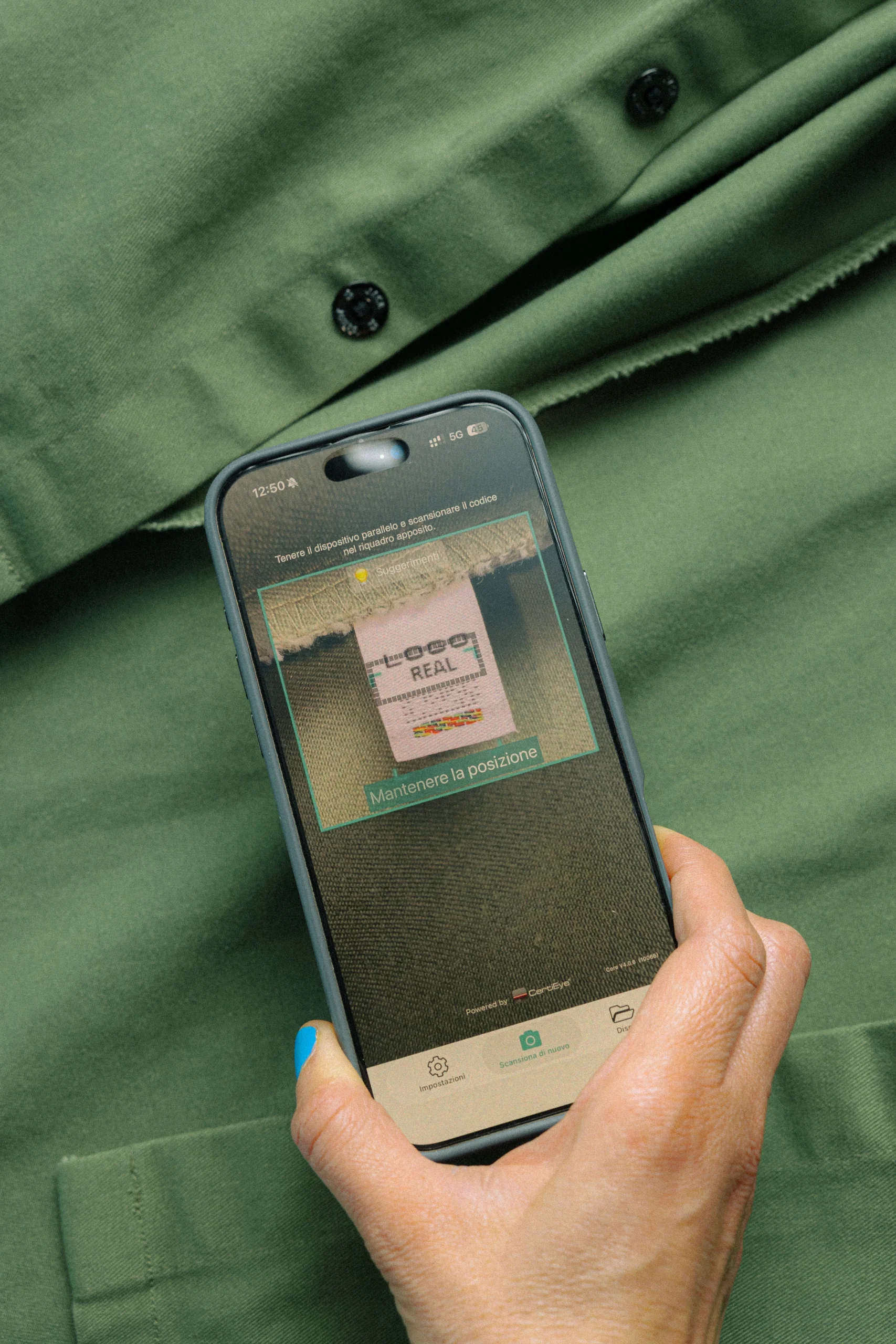
Total Control. CertiEye is not just for confirming authenticity. It tells you exactly where your product has ended up in the world, acting as a true control tower.
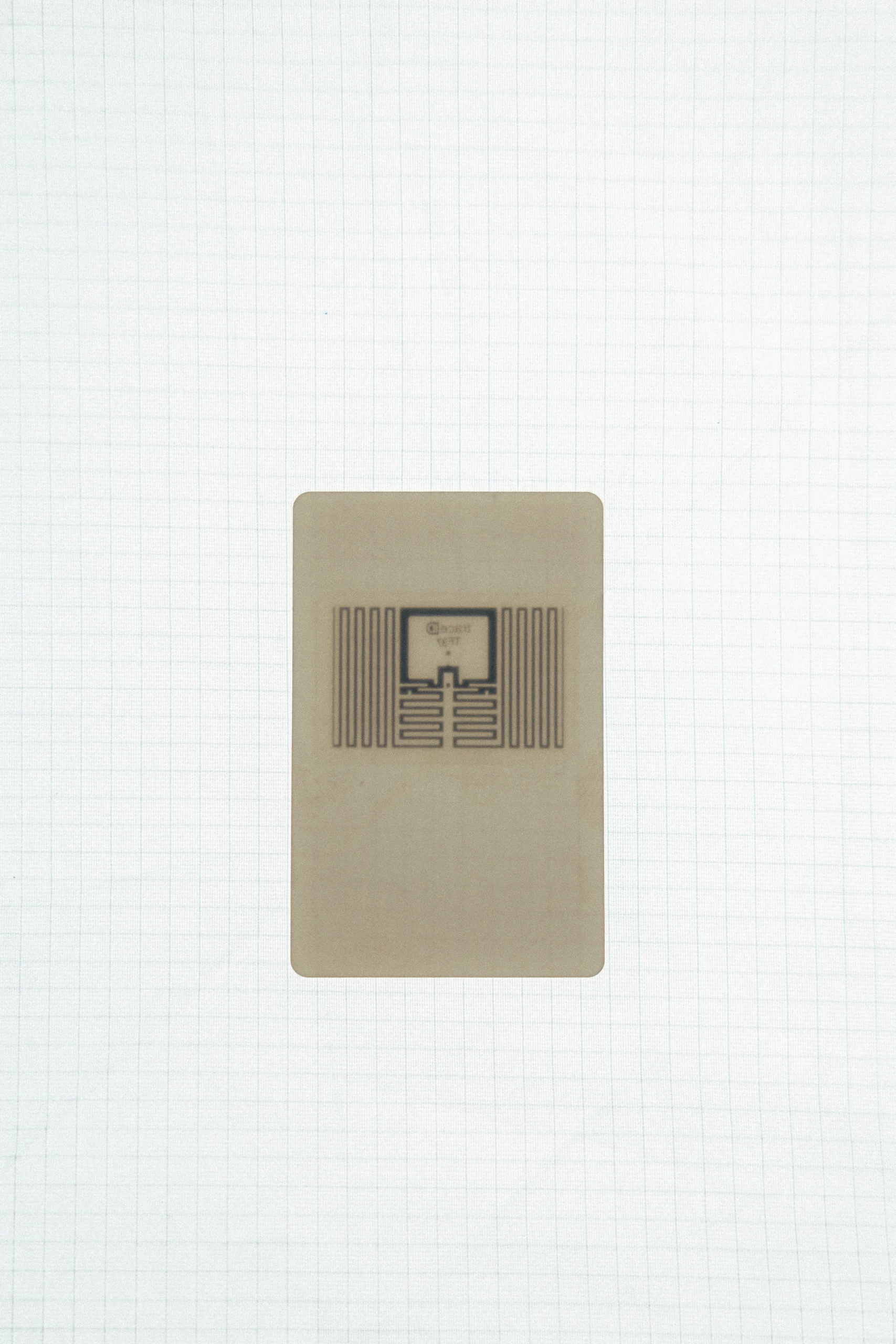
MInvisible Tech. No code to frame, no graphics that compromise aesthetics. Only precious materials hiding a armored digital heart.
NFC Analysis: the invisible shield in labeling and packaging
Active principle: Absolute Encryption and Untouched Design.
Here the physics changes radically. We don’t rely on the camera’s optics, but on radio waves. NFC is the undisputed king when it comes to invisible integration in luxury labeling and packaging.
How it works: we insert a silicon chip between two layers of paper or inside a tag or seal. When the customer’s phone approaches (within 4 cm), it creates a magnetic field that “wakes up” the chip. The latter responds with a unique 128-bit encrypted key (rolling code) that changes with every single interaction.
CertiEye® or NFC. The decision matrix
Don’t guess and don’t follow current trends. Use this matrix as a compass for your next project’s security. And remember that these digital technologies can (and often should) be paired with physical solutions, such as VOID labels (which leave an indelible mark if tampered with or peeled off), to create a foolproof system.
Security is never a simple product to buy from a catalog; it’s a strategy. Choose whom you fight. And if you want to see how these two technologies can even coexist synergistically on the same tag, come visit us. We have prepared a technical kit for you.
See you in production.
- Definition: NFC is a wireless transceiver technology that provides short-range two-way connectivity (up to a maximum of 4 centimeters).
- Insight: Derived from RFID, it uses battery-less chips that activate only when brought close to a reading device (such as a smartphone). In fashion, it generates unique and encrypted codes impossible to clone.
- Definition: The gray market (or parallel market) is the flow of original goods sold through distribution channels not authorized by the manufacturer.
- Insight: We are not talking about fake products, but real products sold where they shouldn't be (e.g., a batch intended for Europe sold below cost in Asia by an unfair distributor).
- Context: It destroys the brand's price positioning. It is effectively fought with traceable optical reading systems (like CertiEye), which allow geolocating where the final scan of the product takes place.
- Definition: The traditional barcode (or basic QR code) is a static image, while active anti-counterfeiting systems are dynamic or unique for each single piece.
- Insight: A counterfeiter can simply make a photocopy of a static QR code and print it on 10,000 fake bags. Advanced systems, however, record unique seriality: if the same code is scanned twice in two different places, the system flags it as fake.
- Context: For true security, brands must never rely on static graphics, but on software platforms that interpret scan data in real-time.
Are RFID tags suitable for anti-counterfeiting towards the end customer?
- Definition: RFID (UHF) is excellent for massive reading of large amounts of data at a distance (e.g., inventories), but it is not ideal for the end consumer.
- Insight: Common smartphones do not have a reader for classic industrial RFID tags, but they natively possess an NFC reader.
- Context: A brand will use traditional RFID for warehouse inventory in 5 minutes, but must use NFC (or smart visible codes) to allow the final buyer to verify the authenticity of the garment with their own phone in-store.
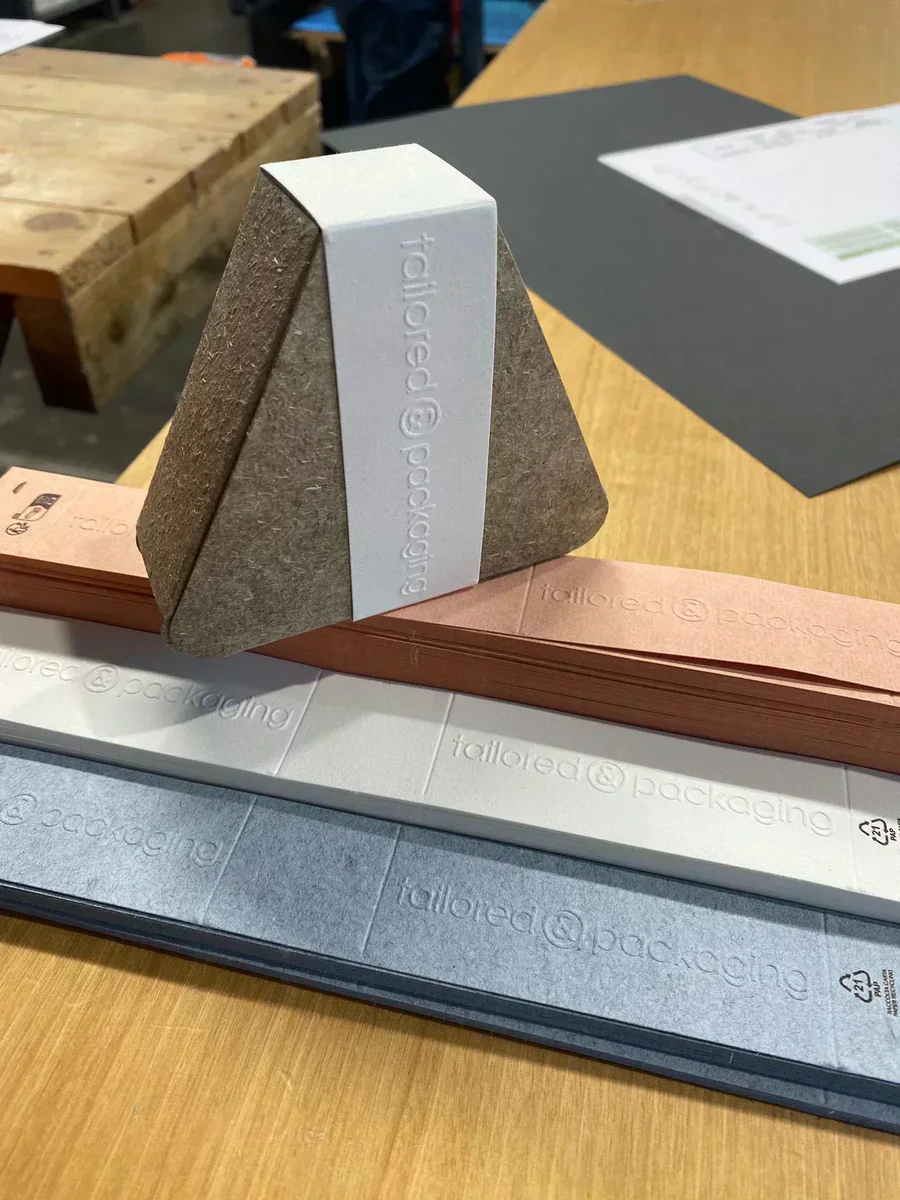
Ispiriamo la tua voglia di comunicare
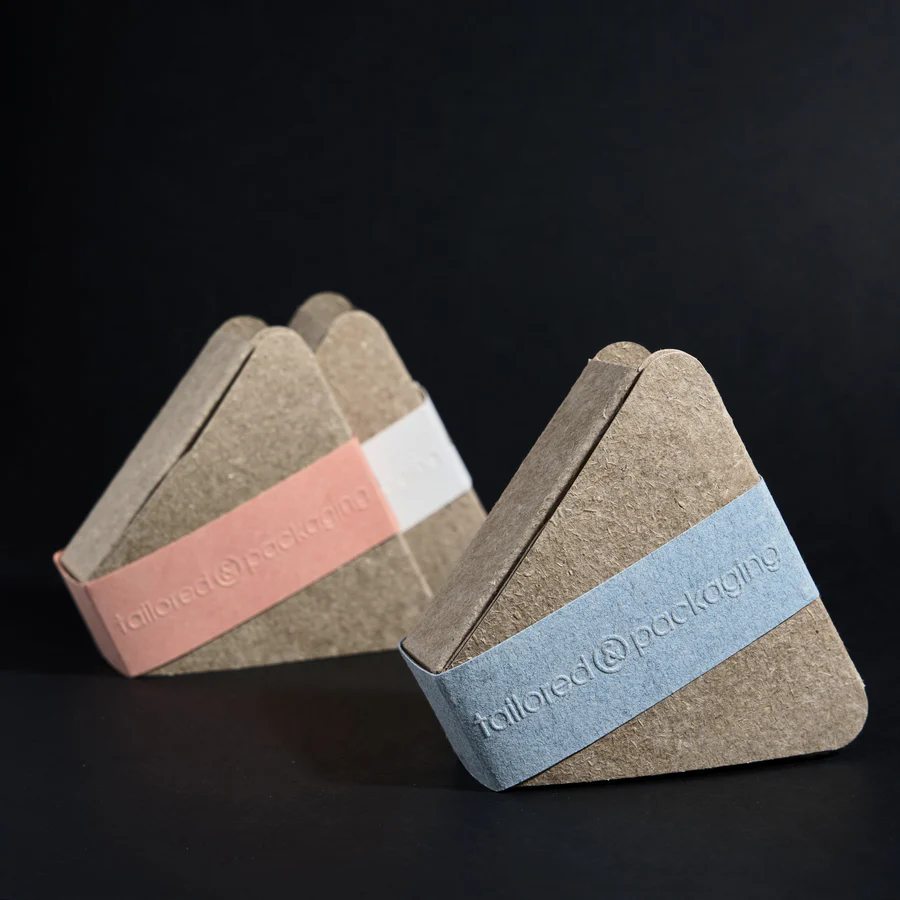
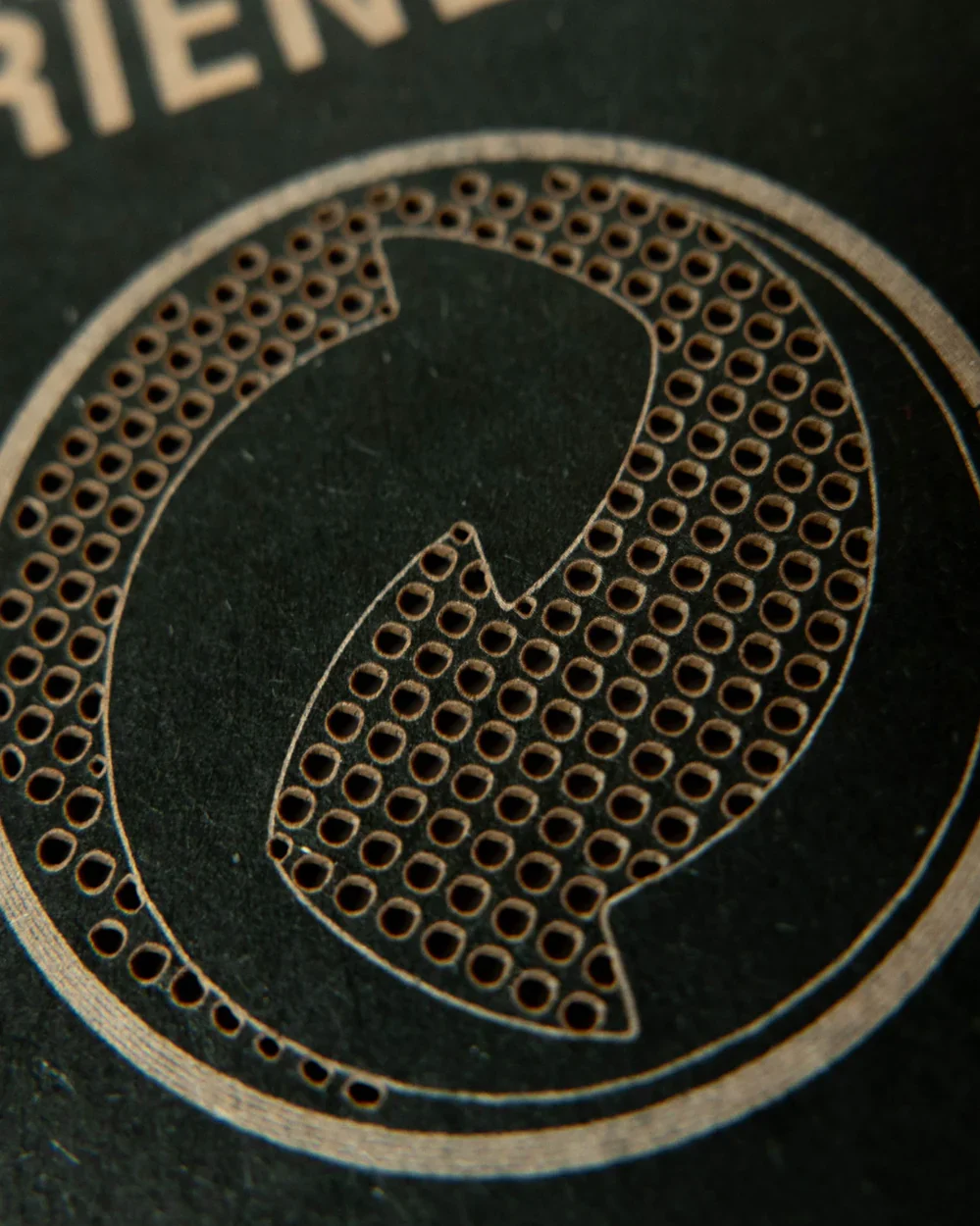
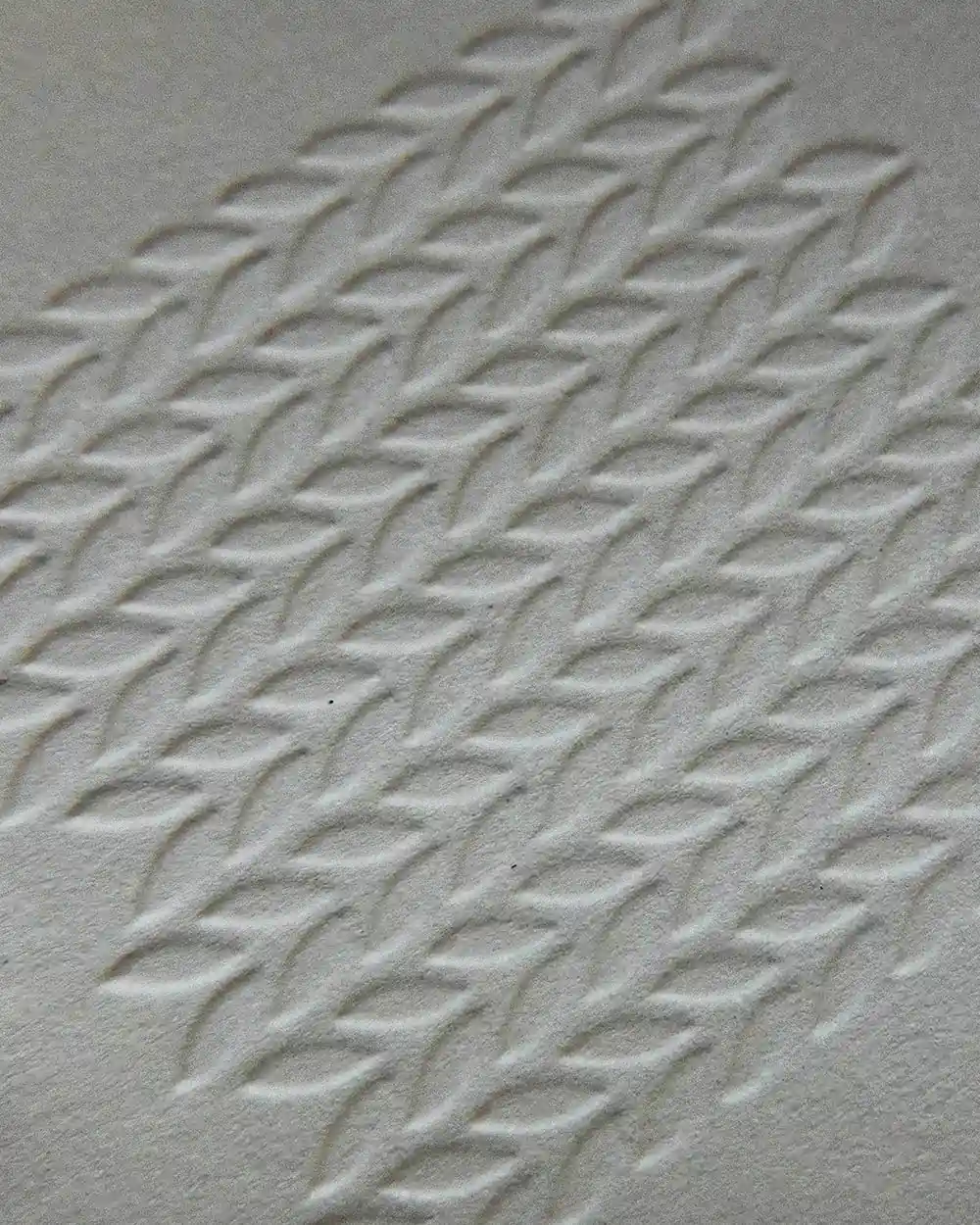
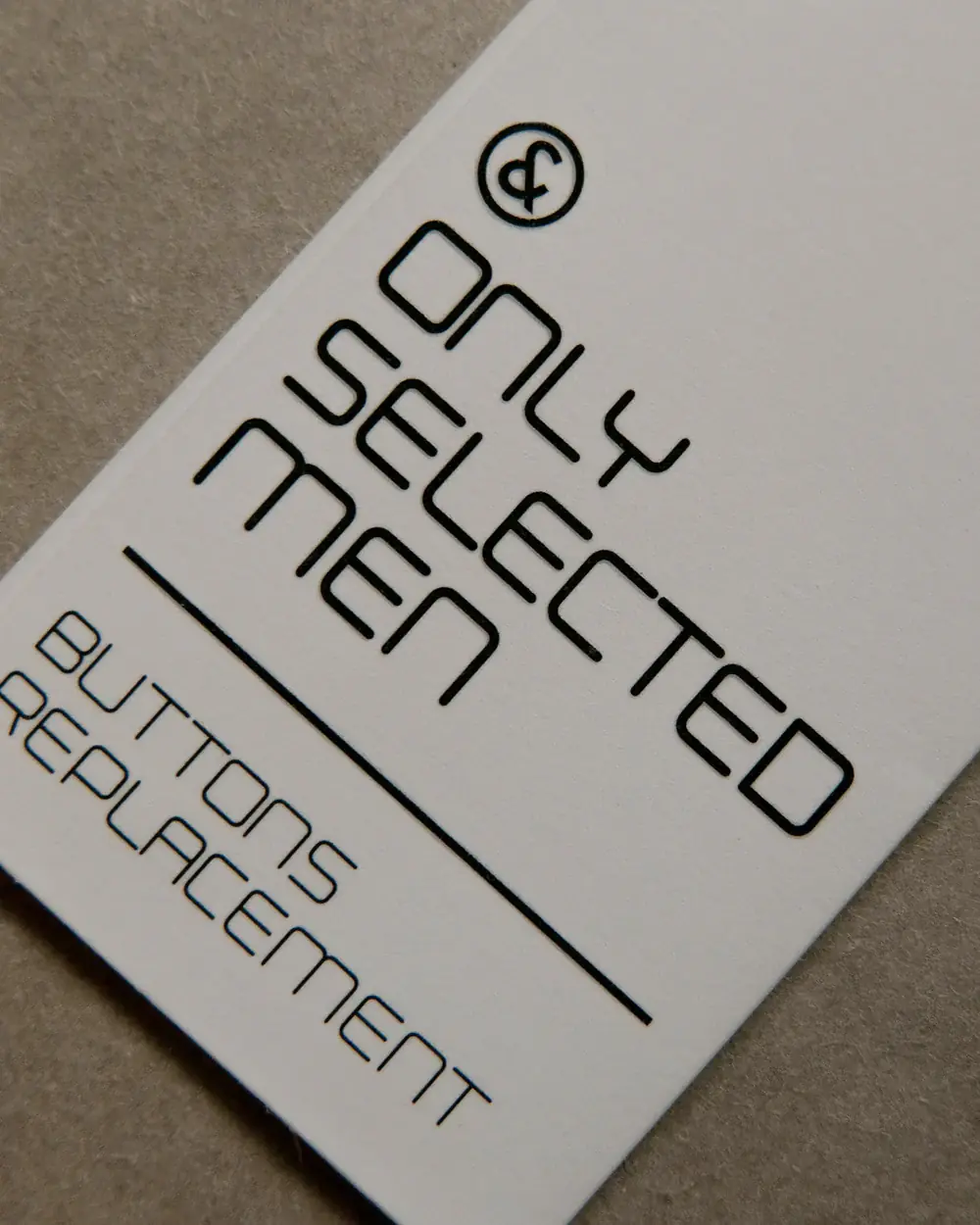
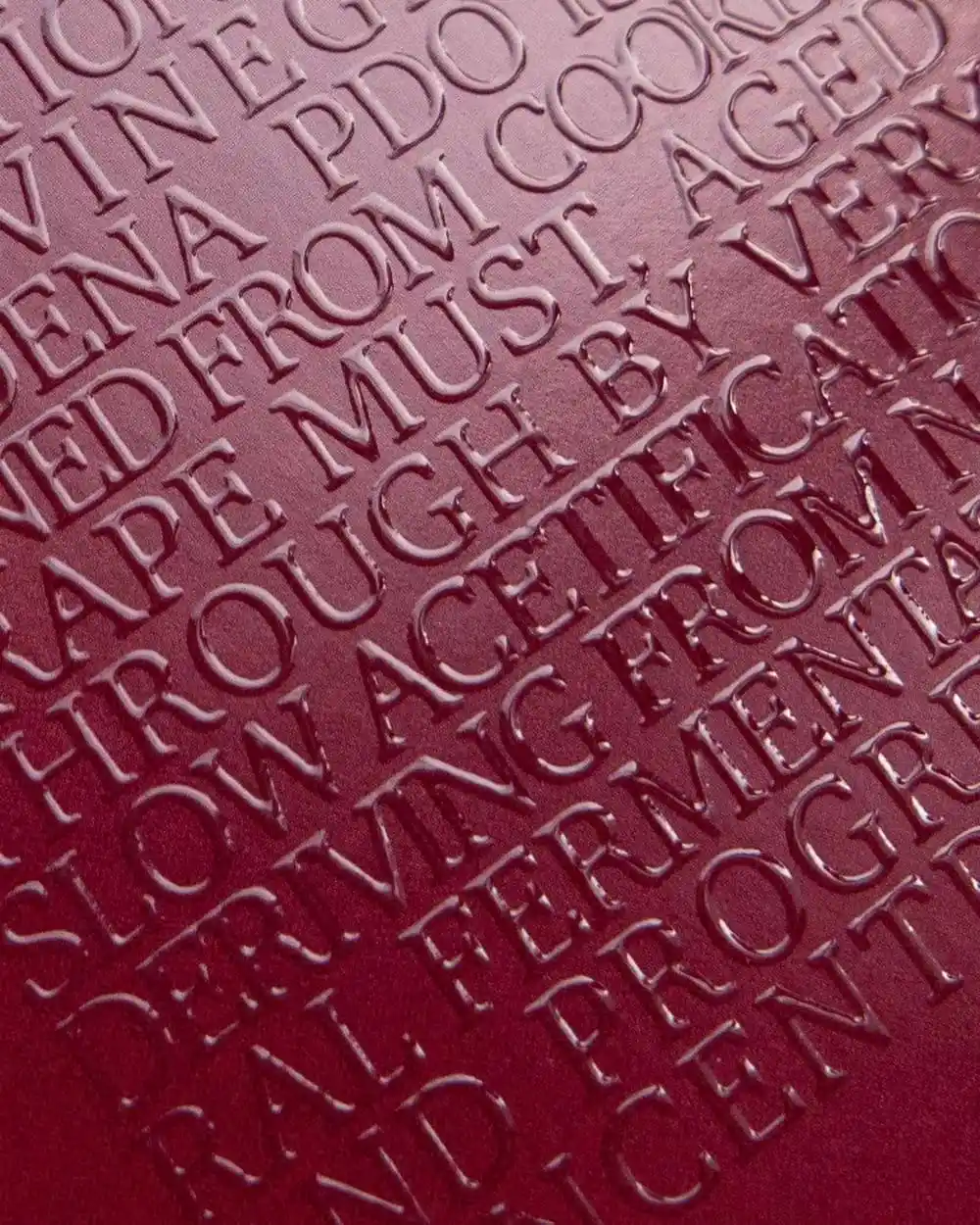
Un dettaglio è già un messaggio. Per questo abbiamo raccolto esempi, finiture e materiali in un campionario pensato per stimolare idee nuove e far parlare i tuoi prodotti con più forza. Ogni ispirazione è una promessa di identità: carte che frusciano al tatto, texture che sorprendono, soluzioni che uniscono estetica e funzione. Un invito a immaginare, progettare e trovare “quel” materiale che sembra fatto apposta per il tuo brand.
Scarica il Tag inspiration book 2026
 Carte Naturali